Learning how to choose a cat litter box comes down to three things your cat will notice right away: how big it is, how it is built, and where it sits in your home. Get those right and daily life gets easier for both of you. This guide walks through litter box size, the main box types, how many boxes you need, and where to put them.
Start with litter box size
Litter box size is the first thing to settle, and it is the one most owners underestimate. A common rule of thumb is a box about 1.5 times your cat’s length, measured from the nose to the base of the tail. A cat that can turn around, dig, and step in and out without bumping a wall is more likely to keep using the box.
Here is a quick way to apply it:
- Measure your cat in inches from the tip of the nose to where the tail begins.
- Multiply that number by 1.5.
- Look for an interior length close to that figure, not just the outside dimension.
Interior space matters most with covered boxes, where the walls and lid take up room. Stockier or long-haired cats may also want extra width, not only length. Many standard boxes sold in stores come out smaller than this rule suggests, so check the listed measurements before you buy.
If you are between sizes, go larger. A roomy box rarely bothers a cat, while a cramped one often does.
How many litter boxes per cat
The usual answer to how many litter boxes per cat is one for each cat, plus one extra. So a single cat gets two boxes, two cats get three, and so on. Shelter and veterinary behavior resources, including the ASPCA, repeat this advice.
Spacing matters as much as the count. Three boxes lined up side by side can look like one big box to a cat. Spread them across different rooms or floors so a cat that is avoiding another pet always has a second option.
- One cat: two boxes, in two separate spots if your space allows.
- Two cats: three boxes, not all in the same room.
- Three or more cats: one per cat plus one, spread through the home, with at least one on each level.
Litter box types compared
Once you know the size and count, the next question is which type fits your cat and your space. The table below summarizes the main options. Treat it as a starting point, then watch how your own cat responds.
| Type | Who it suits | Pros | Things to check |
|---|---|---|---|
| Open (uncovered) | Most cats, including large breeds and cats new to a box | Easy to enter, simple to scoop, plenty of room to turn | Litter can scatter; some owners dislike the look |
| Hooded / enclosed | Cats that like privacy; homes with dogs or small children | Shields the litter from view and helps contain scatter | Interior height and length; some cats dislike the closed feel |
| Top-entry | Adult cats that jump well; homes with dogs | Small footprint, litter stays inside when cats step out | Not suited to kittens, seniors, or cats with stiff joints |
| High-sided | Cats that dig or kick litter outward | Taller walls hold litter in | Entry cutout height for kittens and older cats |
| Stainless steel | Owners who prefer a smooth, non-porous surface | Smooth finish that wipes down and resists scratches | Interior size, weight, and whether the lid fits your cat |
| Automatic / self-cleaning | Busy owners; multi-cat homes | Rakes or sifts waste on a schedule | Entry size, noise, power needs, and how your cat reacts |
| Foldable | Small spaces, travel, or a spare box | Stores flat and moves easily | Sturdiness of the walls and stable corners |
Covered vs uncovered litter box
The covered vs uncovered litter box debate has no single winner, because it depends on the cat. Some cats like the privacy of a hood. Others feel trapped inside and may skip the box. The ASPCA suggests removing covers when a cat is having trouble with the box, so an open pan is a sensible default when you are unsure.
If you prefer a cover for your own reasons, such as keeping litter from spilling in a busy room, look for generous interior height and a wide opening. A hooded box with a front entry gives your cat a walk-in doorway instead of a jump. A fully enclosed box with a transparent door and flip cover offers a different layout for owners who want a lid they can lift. You can browse our litter boxes to compare designs.
A simple test: set up an open box next to the covered one for a week or two and see which your cat picks.
Looking at specific box styles
Stainless steel boxes
Stainless steel has a smooth surface that does not hold scratches the way some plastics can. It is heavier, so it tends to stay put when a cat scrambles out. If you like the idea, a 24-inch stainless steel box suits medium to large cats, and an extra large box with a lid gives more room for bigger cats. Always compare the interior length with your cat’s measurement.
Automatic and self-cleaning boxes
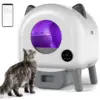
These boxes handle the scooping step for you. They are worth considering in a multi-cat home, but they need an outlet or battery and a bit of introduction time. Make sure the opening is large enough for your cat to walk through without ducking. Many owners keep a regular box available while the cat gets used to the new one. Some models add features such as app control.
Foldable and top-entry boxes
Foldable boxes work well in apartments, as a spare, or for trips to the vet or in the car. A foldable box with top and front entry lets you choose which door to use, which is handy if your cat’s needs change as it ages. Top-entry designs ask your cat to jump in, so reserve them for agile adult cats.
You can browse the full range in our litter boxes category.
Entry height for kittens and senior cats
Entry height is easy to overlook, yet it decides whether some cats can use a box at all. Kittens are small and still learning to climb. Older cats may have stiff joints and avoid high edges. The ASPCA recommends low-sided boxes for kittens, elderly cats, and cats with mobility problems.
- For a kitten, pick a box with a low front edge, or a shallow pan, and size up later.
- For a senior cat, choose a front entry or a cutout that lets it walk in rather than step over a tall wall.
- If a cat that used to be reliable starts missing the box, ask your veterinarian to check it. Changes in litter box habits can have medical causes, and a vet visit should come before any changes to the setup.
Where to put a litter box
When people ask where to put a litter box, the short answer is a quiet, easy-to-reach spot with a little privacy. Location often matters as much to a cat as the box itself.
- Choose low-traffic areas. A spare bathroom, a corner of a bedroom, or a quiet hallway often works. Avoid spots next to a loud washer, a furnace, or a busy doorway.
- Keep boxes away from food and water. Cats generally prefer to eat and use the box in separate places. The ASPCA also advises keeping food bowls away from the litter area.
- Offer an escape route. A cat that feels cornered may avoid a box tucked into a dead-end closet, especially in a home with other pets.
- Keep it reachable. Avoid basements or rooms with doors that sometimes get closed, since your cat needs access at all hours.
Multi-level homes
If your home has more than one floor, put at least one box on each level. A senior cat should not have to climb stairs to reach a box, and a cat should never have to cross the whole house to find a box. In a small apartment, place two boxes in separate corners instead of side by side.
Cleaning routine
Cats are particular about their bathroom. The ASPCA suggests scooping at least once a day, and once a week emptying the box, washing it, and refilling it with fresh litter. Rinse well, and skip strongly scented cleaners, since a cat may object to the smell.
- Daily: scoop clumps and waste, and top up the litter if it gets low.
- Weekly: empty the box, wash it with mild soap and warm water, dry it, and refill.
- Every few months: look the box over for deep scratches or wear and replace it when it no longer cleans up well.
The ASPCA suggests keeping a litter layer of about one to two inches. A very deep layer is not needed, and some cats dislike it.
Transitioning to a new litter box
Cats like routine, so switch gradually. Do not remove the old box on day one.
- Place the new box next to the old one, in the same room.
- Use the same litter your cat already knows.
- Move a scoop of used litter into the new box so it smells familiar.
- Once your cat uses the new box reliably, remove the old one, or move it away a little at a time.
Give your cat several days to a few weeks to adjust. If a cat seems to avoid the box altogether, go back a step, and contact your veterinarian if the behavior continues. When you order a new box, free shipping applies to every order from US warehouses.
Quick checklist
- Measure your cat nose to tail base and multiply by 1.5 for the interior length.
- Plan for one box per cat plus one extra, spread across the home.
- Pick a low entry for kittens and senior cats.
- Start with an open box if you are unsure about a cover.
- Place boxes in quiet spots, away from food and water.
- Put at least one box on every floor.
- Scoop daily, wash weekly, and introduce new boxes alongside the old one.
- Ask your vet about any sudden change in litter box habits.
Frequently asked questions
How big should a cat litter box be?
A common rule is a box about 1.5 times your cat's length, measured from the nose to the base of the tail. Check the interior measurements, especially on covered boxes, and go larger if you are between sizes.
How many litter boxes per cat do I need?
The usual guidance is one box per cat plus one extra. Spread them across different rooms or floors instead of lining them up side by side.
Is a covered or uncovered litter box better?
It depends on the cat. Some like the privacy of a hood, while others avoid enclosed boxes. If you are unsure, start with an open box or offer both and see which your cat prefers.
What kind of litter box suits a kitten or senior cat?
Look for a low front edge or a front entry so the cat can walk in without climbing. Top-entry boxes are usually better kept for agile adult cats.
Where should I put my cat's litter box?
Choose a quiet, low-traffic spot that your cat can reach at any time, away from food and water bowls. In a multi-level home, put at least one box on each floor.
My cat suddenly stopped using the litter box. What should I do?
Contact your veterinarian first, since changes in litter box habits can have medical causes. Once your vet has checked your cat, review the box size, location, and cleaning routine.
Last updated October 22, 2026. Figures come from the published sources below. Spot an error? Tell us.
Sources
Shop the categories in this guide

Shop Litter Boxes
-
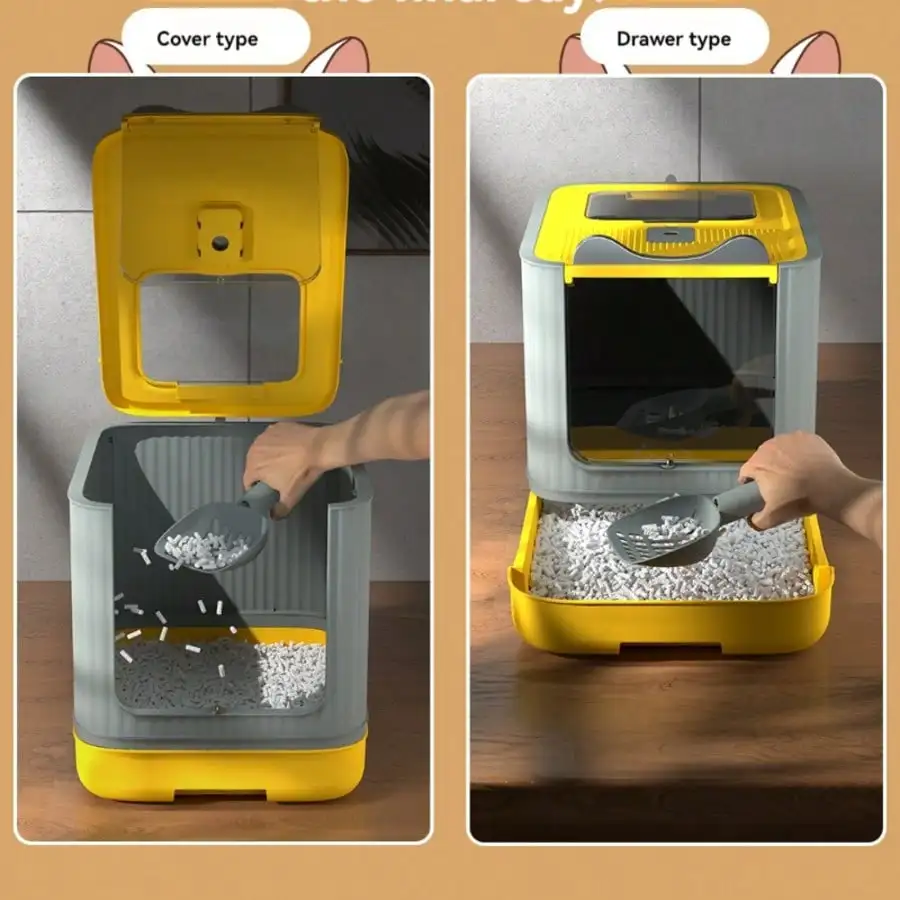
Extra Large Enclosed Cat Litter Box with Front Drawer and Top Cover
FREE shipping $57.99Select options This product has multiple variants. The options may be chosen on the product page -
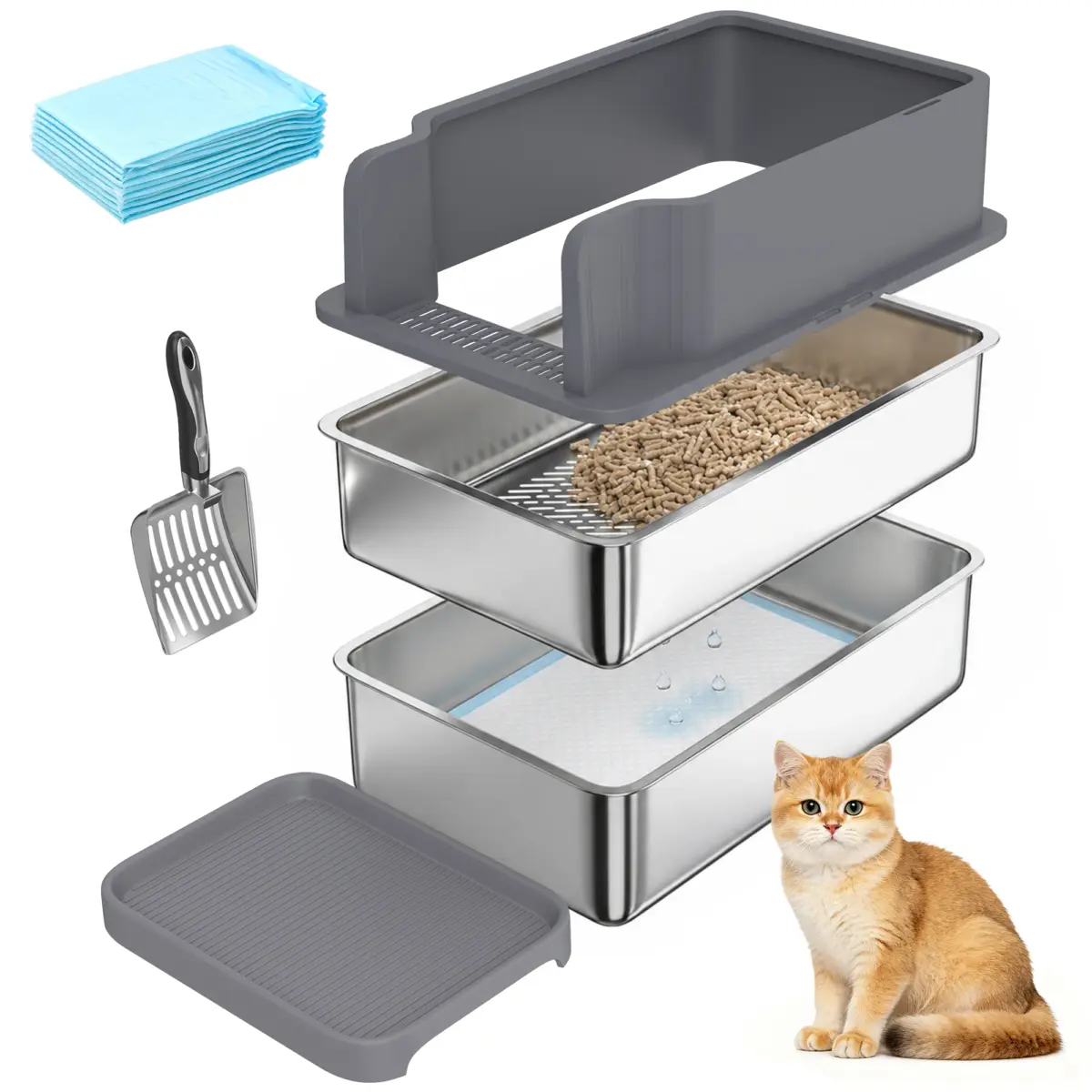
Stainless Steel Sifting Litter Box for Pine Pellets with Sifter Tray
FREE shipping $126.99Select options This product has multiple variants. The options may be chosen on the product page -
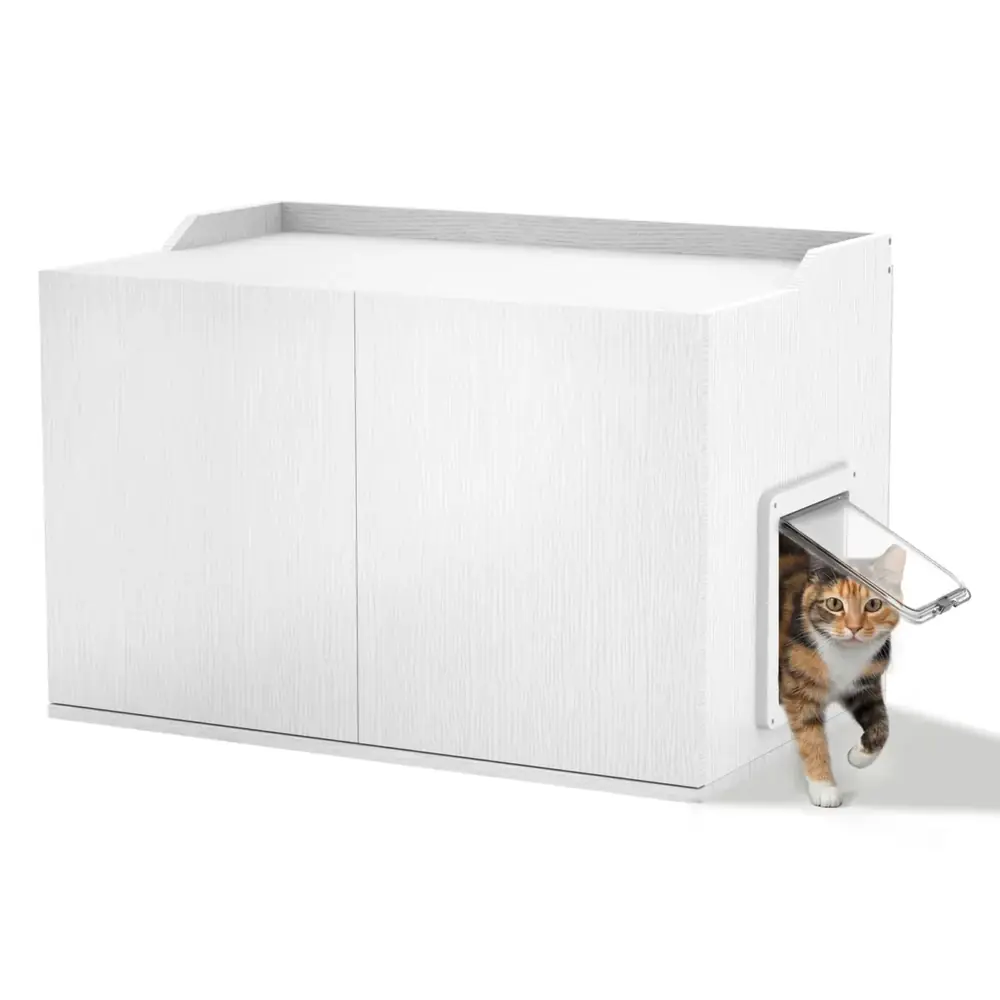
31.5 in Hidden Cat Litter Box Enclosure Cabinet with Cat Door
FREE shipping $233.99Select options This product has multiple variants. The options may be chosen on the product page -
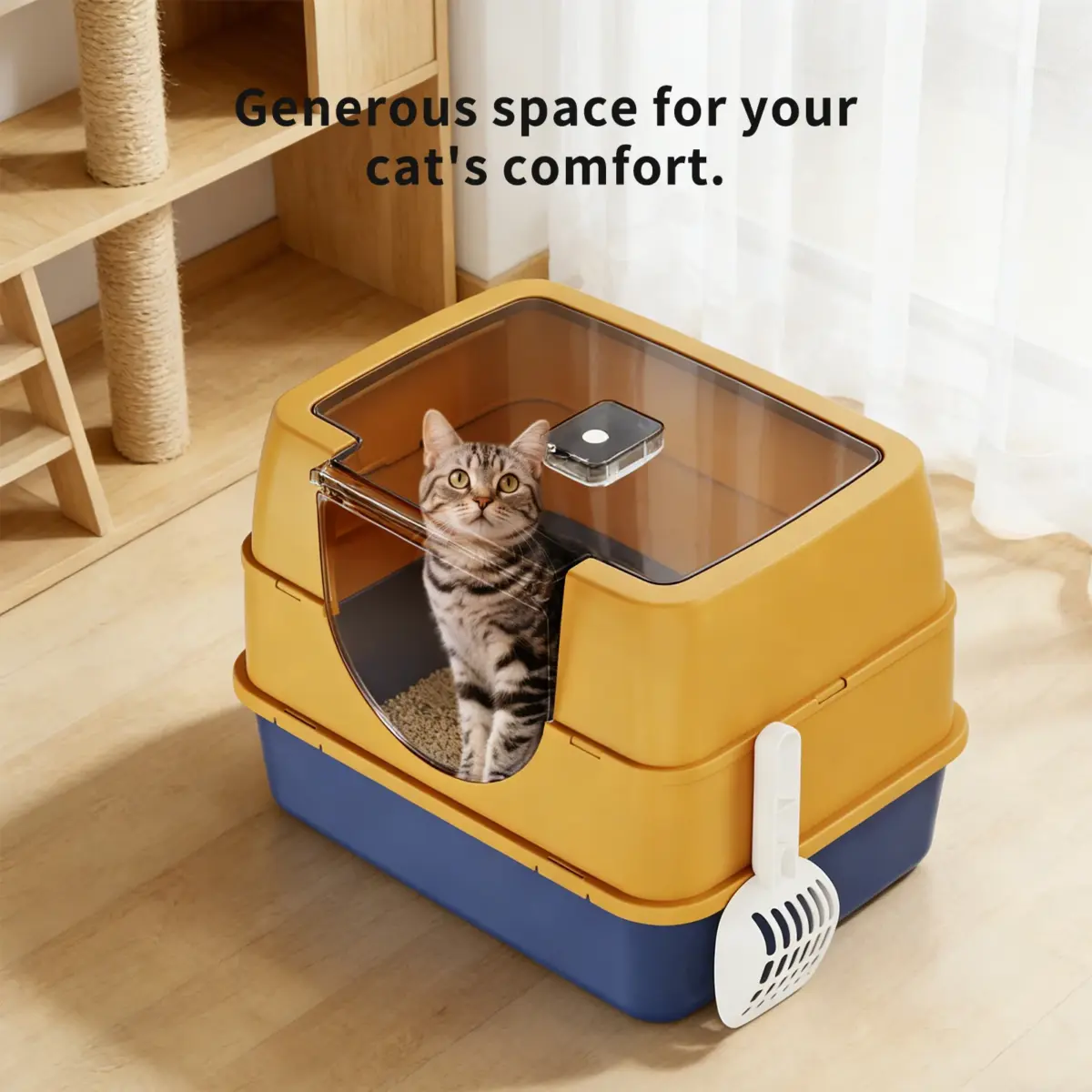
Enclosed Cat Litter Box with Flip Lid, Large and Detachable
FREE shipping $74.99Select options This product has multiple variants. The options may be chosen on the product page -
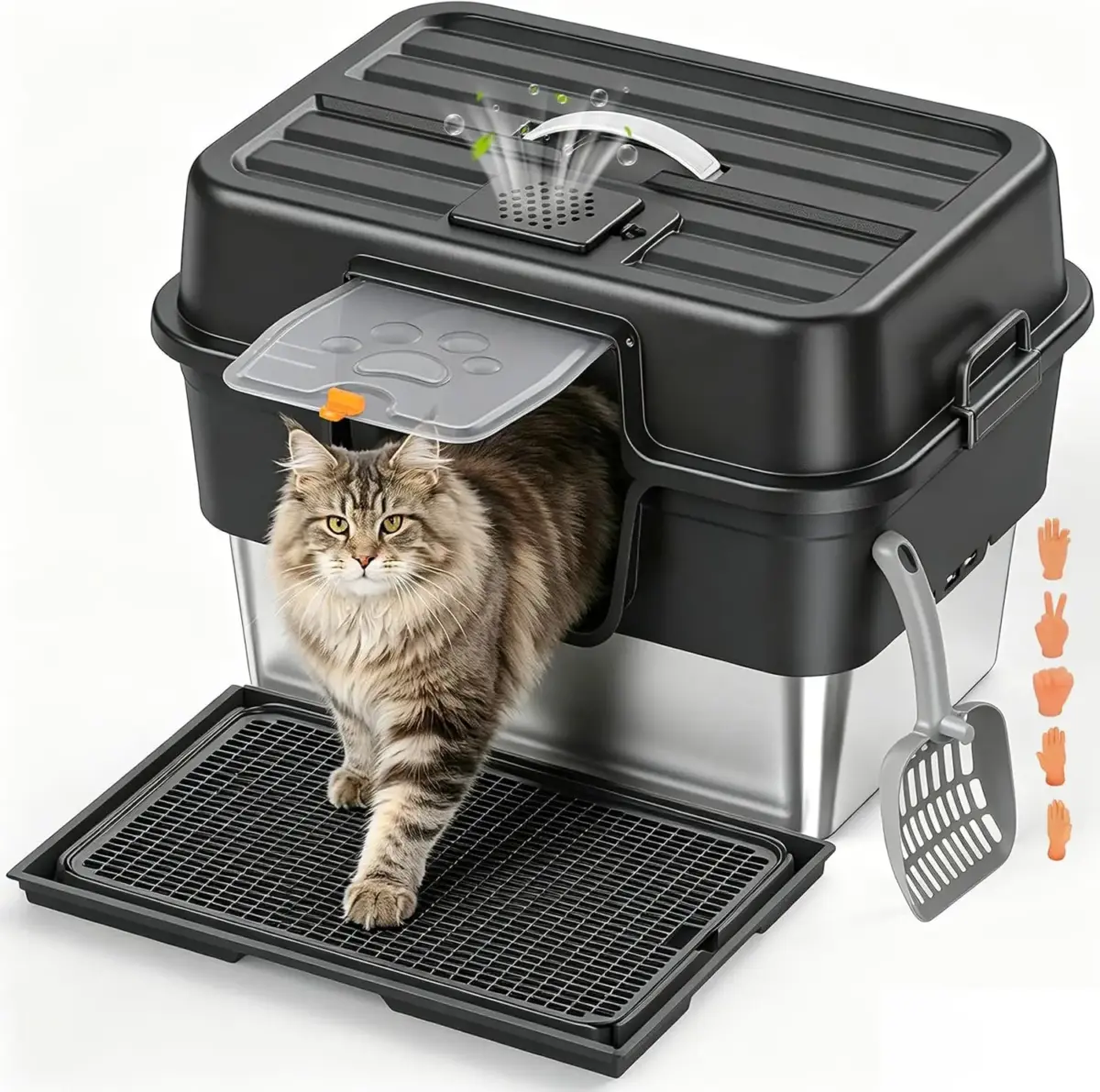
Enclosed Stainless Steel Litter Box for Large Cats, Black XXL
FREE shipping $141.99Select options This product has multiple variants. The options may be chosen on the product page -
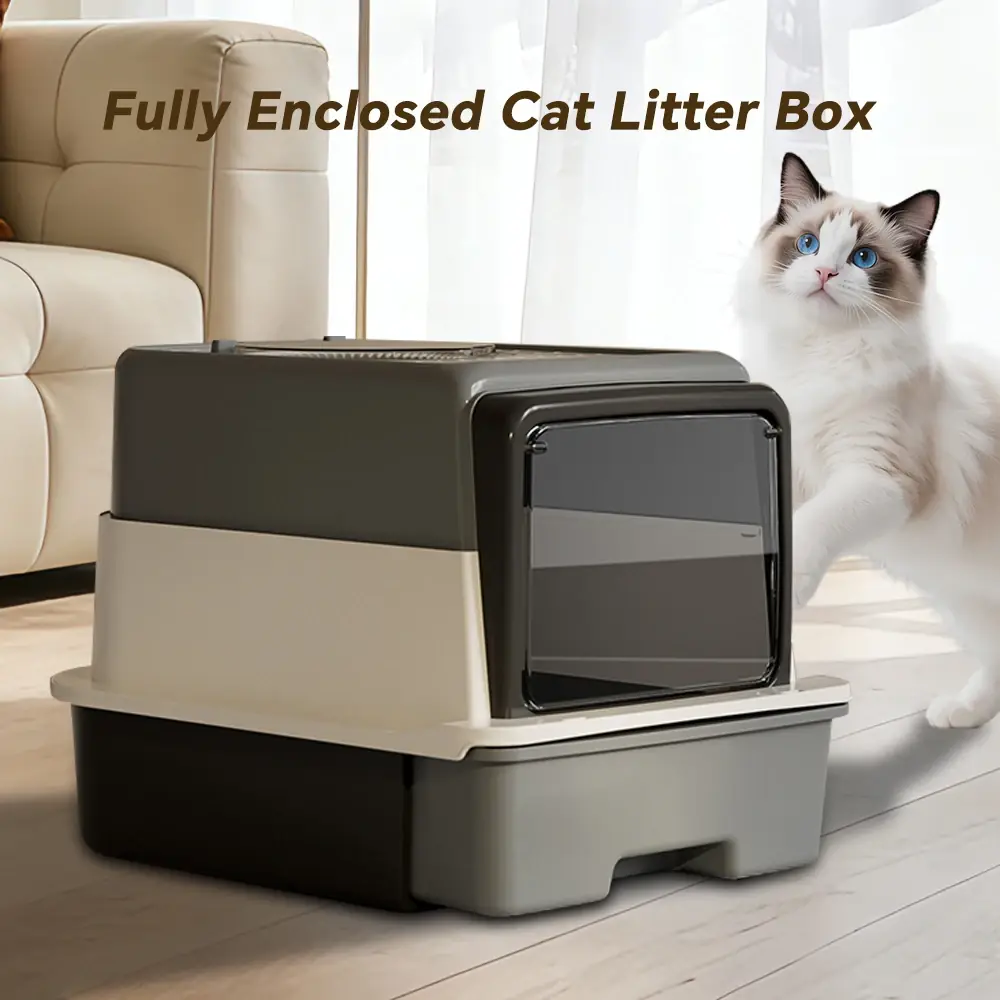
Enclosed Cat Litter Box with Draw-Out Tray, 3-Piece, Gray, Large
FREE shipping $75.99Select options This product has multiple variants. The options may be chosen on the product page -
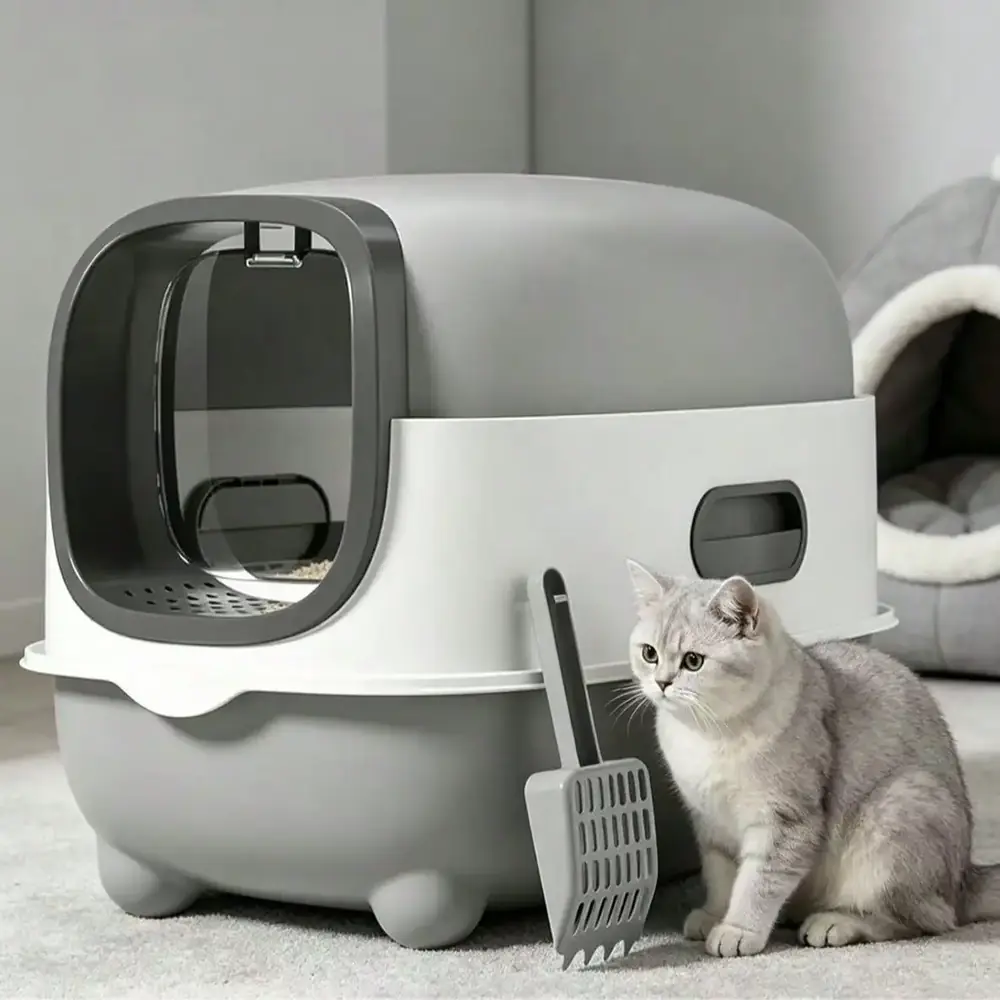
Enclosed Hooded Cat Litter Box – Easy Clean, 22 x 16 in, 3 Colors
FREE shipping Price range: $66.99 through $77.99Select options This product has multiple variants. The options may be chosen on the product page -
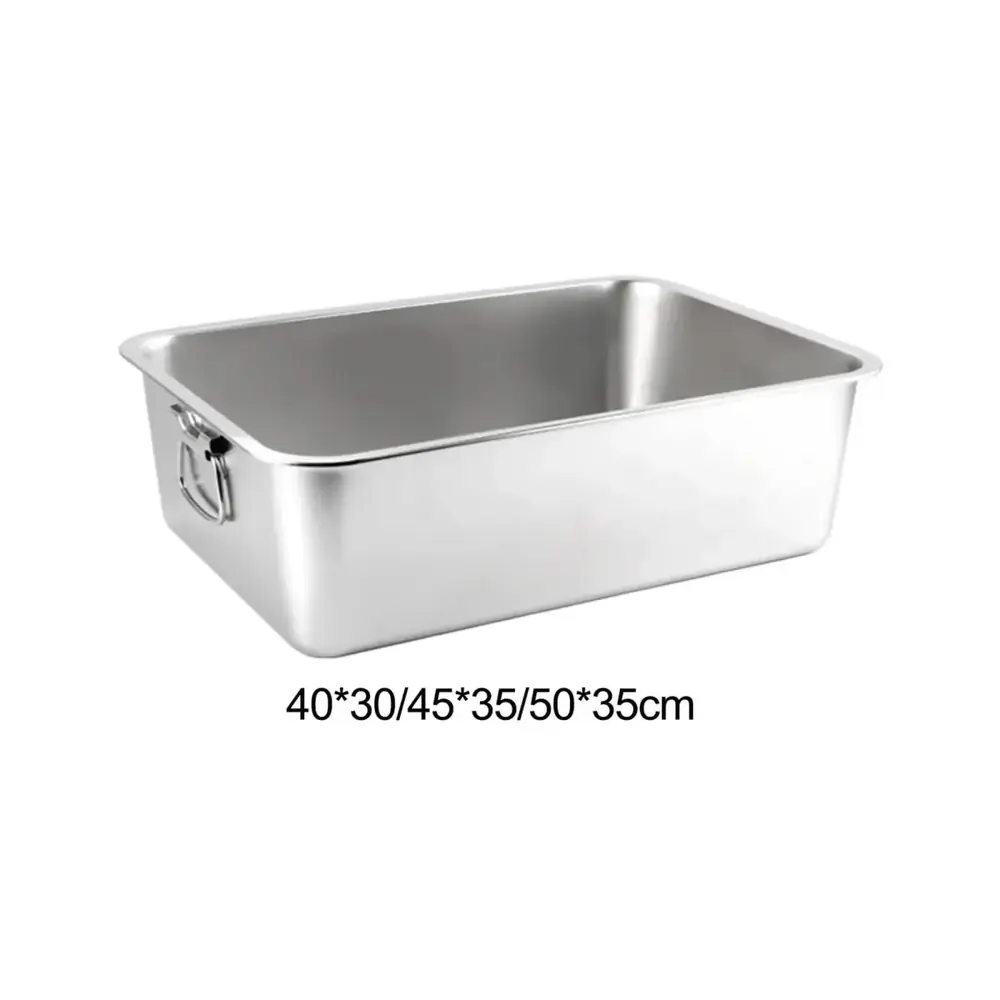
Stainless Steel Open Top Cat Litter Box, Large, 3 Sizes up to 50 cm
FREE shipping Price range: $94.99 through $119.99Select options This product has multiple variants. The options may be chosen on the product page