Outdoor furniture lives in sun, rain, wind and, in many parts of the country, snow. The frame and fabric decide how a set looks after a few seasons, how much it weighs and how much care it asks for. This guide compares the common materials so you can match a set to your climate and to the time you want to spend on upkeep.
Start With Your Climate
Before comparing frames, think about three things where you live:
- Sun: strong, all-day sun fades fabric and dries out wood. Look for UV-resistant finishes and fabrics, and plan on covers or shade.
- Moisture: rain, humidity and salt air near the coast are hard on bare steel and iron. Rust-resistant metals, resin and well-oiled hardwoods cope better.
- Wind: on a high deck or an open rooftop, very light furniture can slide or tip. Heavier frames, or pieces you can tie down or stack away, are the safer choice.
Frame Materials Compared
| Material | Weight | Weather | Care |
|---|---|---|---|
| Aluminum | Light | Does not rust; powder coating adds color and protection | Wash with mild soap; touch up chips |
| Powder-coated steel | Heavy | Sturdy in wind; can rust where the coating is scratched | Check for chips each season and seal them |
| Wrought iron | Very heavy | Stays put in wind; rusts if the finish wears | Sand and repaint rust spots |
| Resin (PE) wicker | Light to medium | All-weather synthetic weave over a metal frame | Hose off; keep out of standing water |
| Teak, acacia, eucalyptus | Medium to heavy | Dense hardwoods; weather to a silver gray if left untreated | Clean and oil if you want to keep the warm color |
| HDPE (poly lumber) | Heavy | Solid plastic made to look like painted wood; does not rot or splinter | Soap and water |
| Molded plastic or resin | Very light | Fine for casual use; can fade and become brittle in strong sun | Wipe clean; store in winter |
Metal: Aluminum, Steel and Iron
Aluminum is the easy choice for most patios. It is light enough to move around, it does not rust, and a powder-coated finish comes in many colors. The trade-off is weight: on a windy, exposed deck, light aluminum chairs may need to be stacked or stored when a storm is coming.
Steel and wrought iron are heavier and feel solid, which helps in wind. Both rely on their coating to keep rust away, so look over the frame once a season and seal any scratches. Chairs with mesh or slatted seats dry faster after rain than solid ones.
Wicker: Resin Versus Natural
Most outdoor “wicker” today is a synthetic weave, usually polyethylene (PE), wrapped around an aluminum or steel frame. It handles rain and sun far better than natural rattan, which is best kept on a covered porch or indoors. When you compare listings, check what the frame underneath is made of, since that decides weight and rust resistance.
Wood: Teak, Acacia and Eucalyptus
Hardwoods give a warm, natural look. Teak is dense and naturally oily, which helps it resist moisture. Acacia and eucalyptus are popular, more affordable hardwoods that do well with regular care. Left alone, all of them slowly turn a soft silver gray; that is a change in color, not a sign of failure. If you prefer the original tone, clean the wood and apply an outdoor oil or sealer at the start of each season.
Cushions and Fabric
Cushions often wear out before the frame. A few points to check on the product page:
- Fabric: solution-dyed acrylic holds its color well in sun; polyester is common and more affordable but may fade sooner.
- Covers: removable, zippered covers are easier to wash.
- Fill: quick-dry foam drains water faster than standard foam.
- Storage: even outdoor cushions last longer when brought in or stored in a deck box during long wet spells.
Measure Before You Buy
Plan about 30 to 36 inches of open space around a dining table so chairs can slide back, and leave a clear walkway of roughly 3 feet through the seating area. Check the listed dimensions of each piece, including chair depth and table height, against your patio or balcony. Browse outdoor furniture and compare the materials listed in each product’s specifications.
Caring for Outdoor Furniture Through the Year
- Spring: wash frames with mild soap and water, check hardware and tighten loose bolts.
- Summer: rinse off pollen and dust; use covers or shade during the hottest weeks to slow fading.
- Fall and winter: clean, dry and cover the furniture, or store it in a garage or shed if you get heavy snow.
Frequently asked questions
What is the best outdoor furniture material for rain?
Aluminum, resin (PE) wicker over an aluminum frame, HDPE poly lumber and well-oiled hardwoods such as teak all cope well with rain. Bare steel and iron need their coating kept intact to avoid rust.
Why is my teak furniture turning gray?
Untreated teak and other hardwoods slowly weather to a silver gray in sun and rain. It is a change in color, not damage. Clean and oil the wood each season if you want to keep the original tone.
Is resin wicker the same as natural wicker?
No. Most outdoor wicker is a synthetic polyethylene weave made for sun and rain. Natural rattan is best kept on a covered porch or indoors.
Last updated November 13, 2026. Spot an error? Tell us.
Shop the categories in this guide



Shop Outdoor Furniture
-
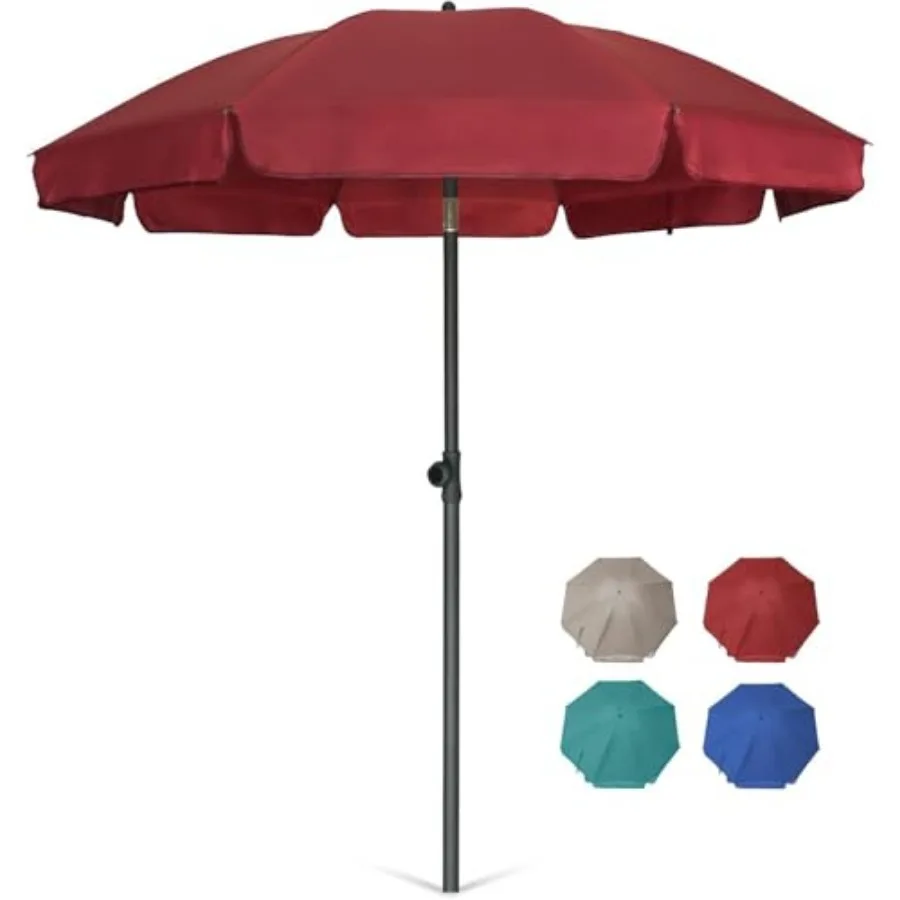
6.5 ft Patio Table Umbrella with Tilt – Steel Pole, 4 Color Choices
FREE shipping Price range: $114.99 through $117.99Select options This product has multiple variants. The options may be chosen on the product page -
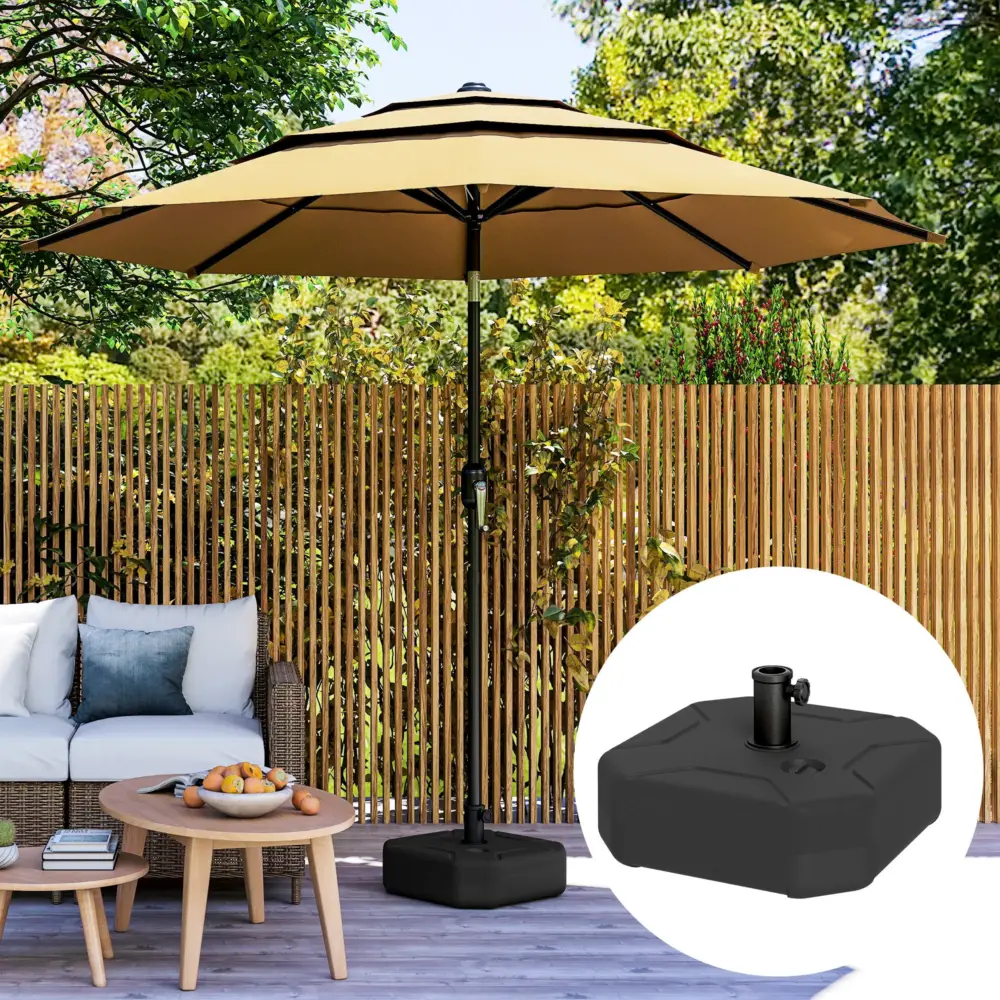
Fillable Umbrella Stand Base – HDPE, 55 lb with Sand, 44 lb with Water
FREE shipping $86.99Select options This product has multiple variants. The options may be chosen on the product page -
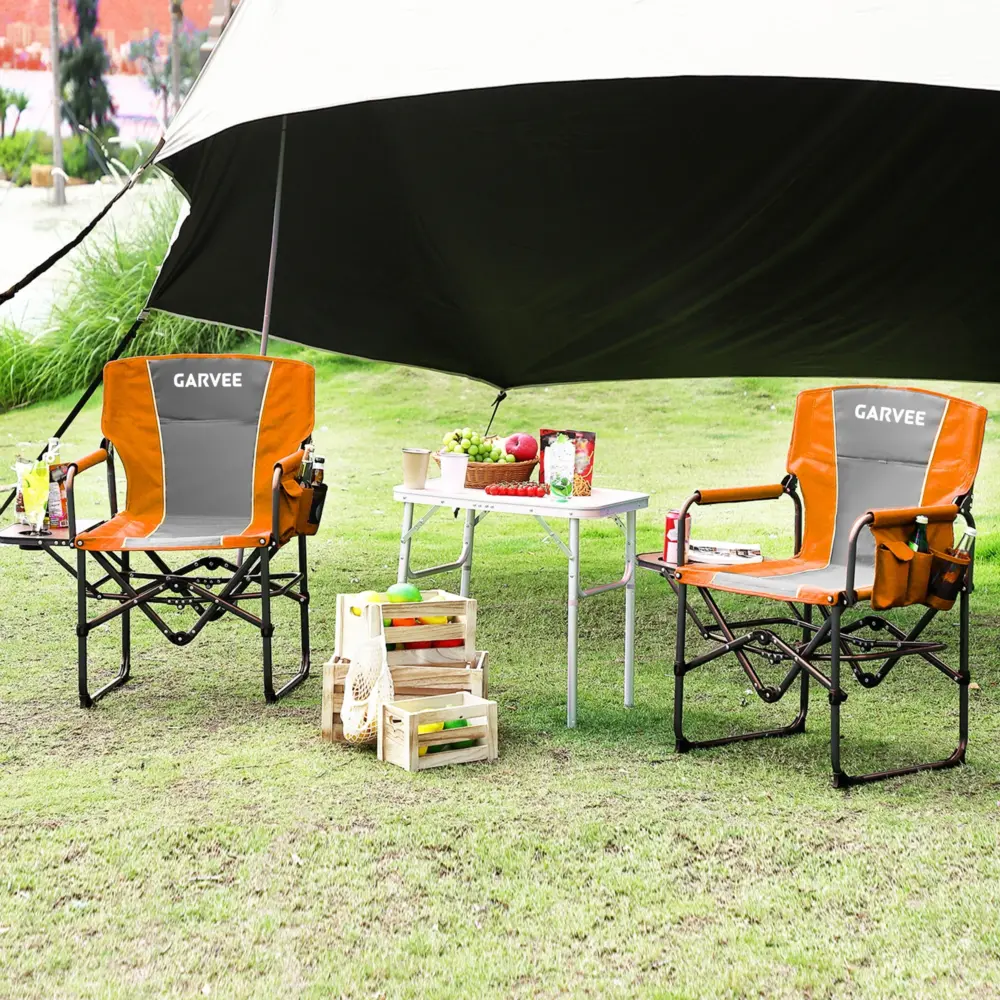
Oversized Folding Camping Chair – 400 lb, Side Table, Cup Holder
FREE shipping Price range: $96.99 through $99.99Select options This product has multiple variants. The options may be chosen on the product page -
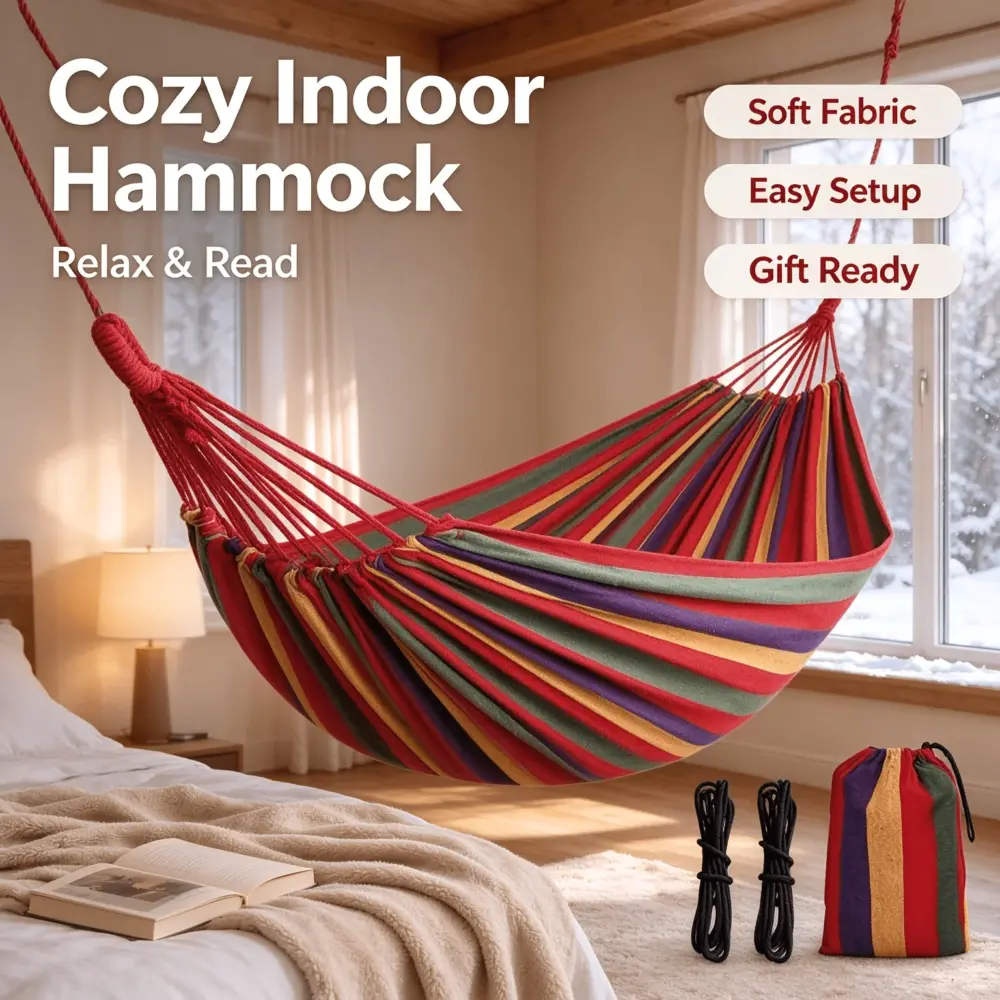
Portable Indoor Hammock with Storage Bag and 2 Hanging Ropes
FREE shipping $24.99Select options This product has multiple variants. The options may be chosen on the product page -
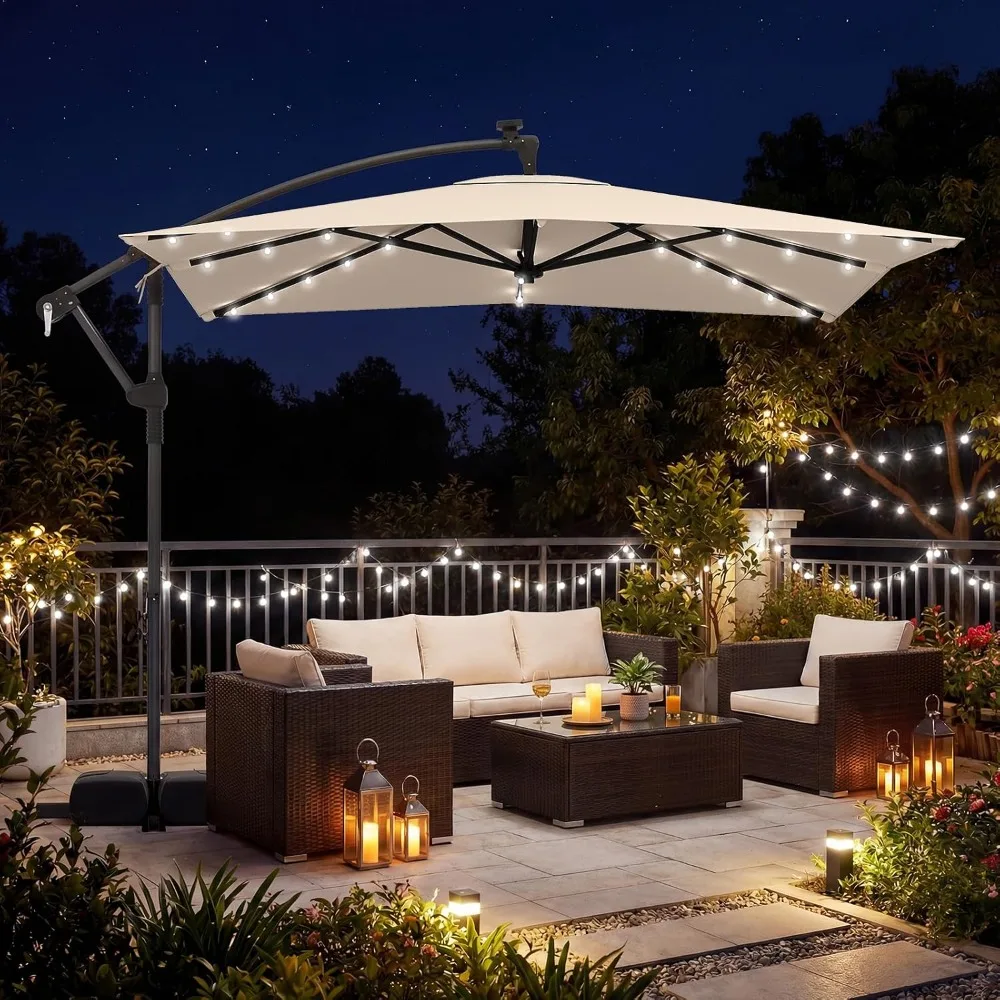
8×8 ft Offset Cantilever Patio Umbrella with 32 Solar LED Lights
FREE shipping Price range: $154.99 through $184.99Select options This product has multiple variants. The options may be chosen on the product page -
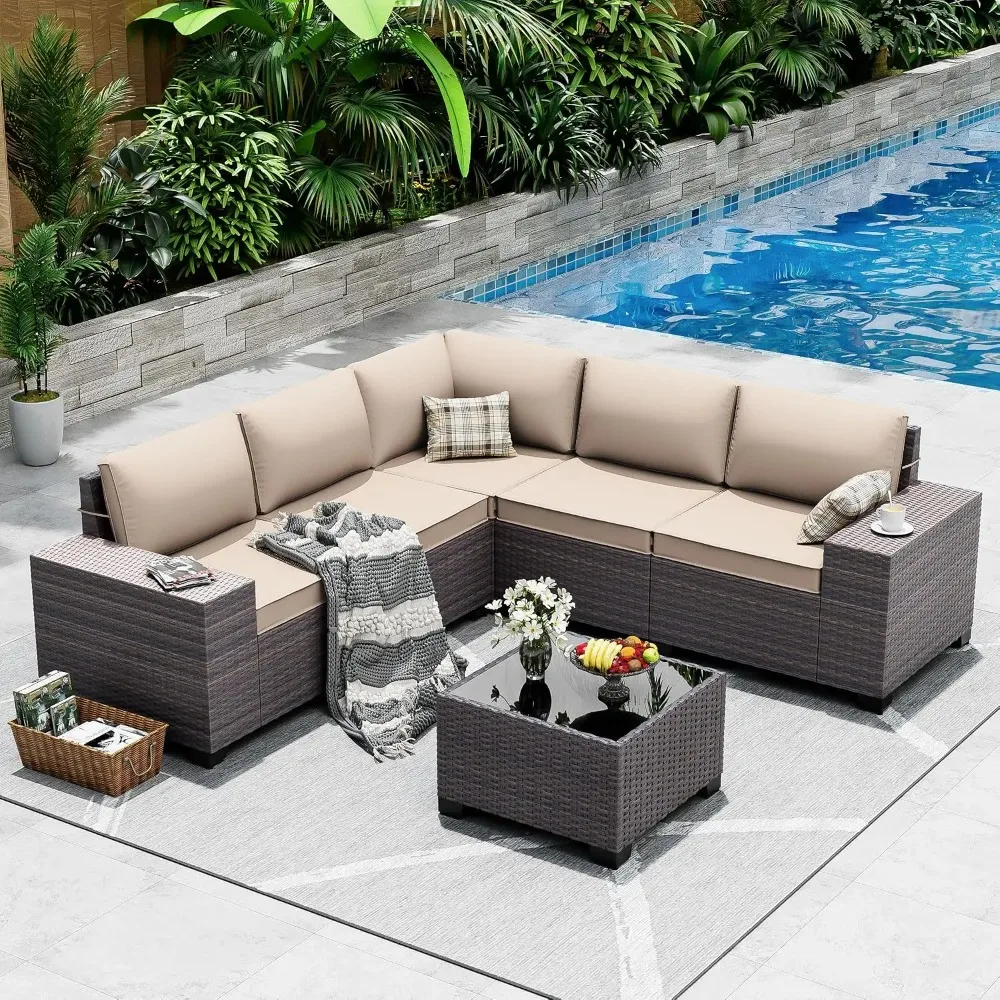
6-Piece Outdoor Sectional Sofa Set with Glass Coffee Table, PE Rattan
FREE shipping Price range: $729.99 through $842.99Select options This product has multiple variants. The options may be chosen on the product page -
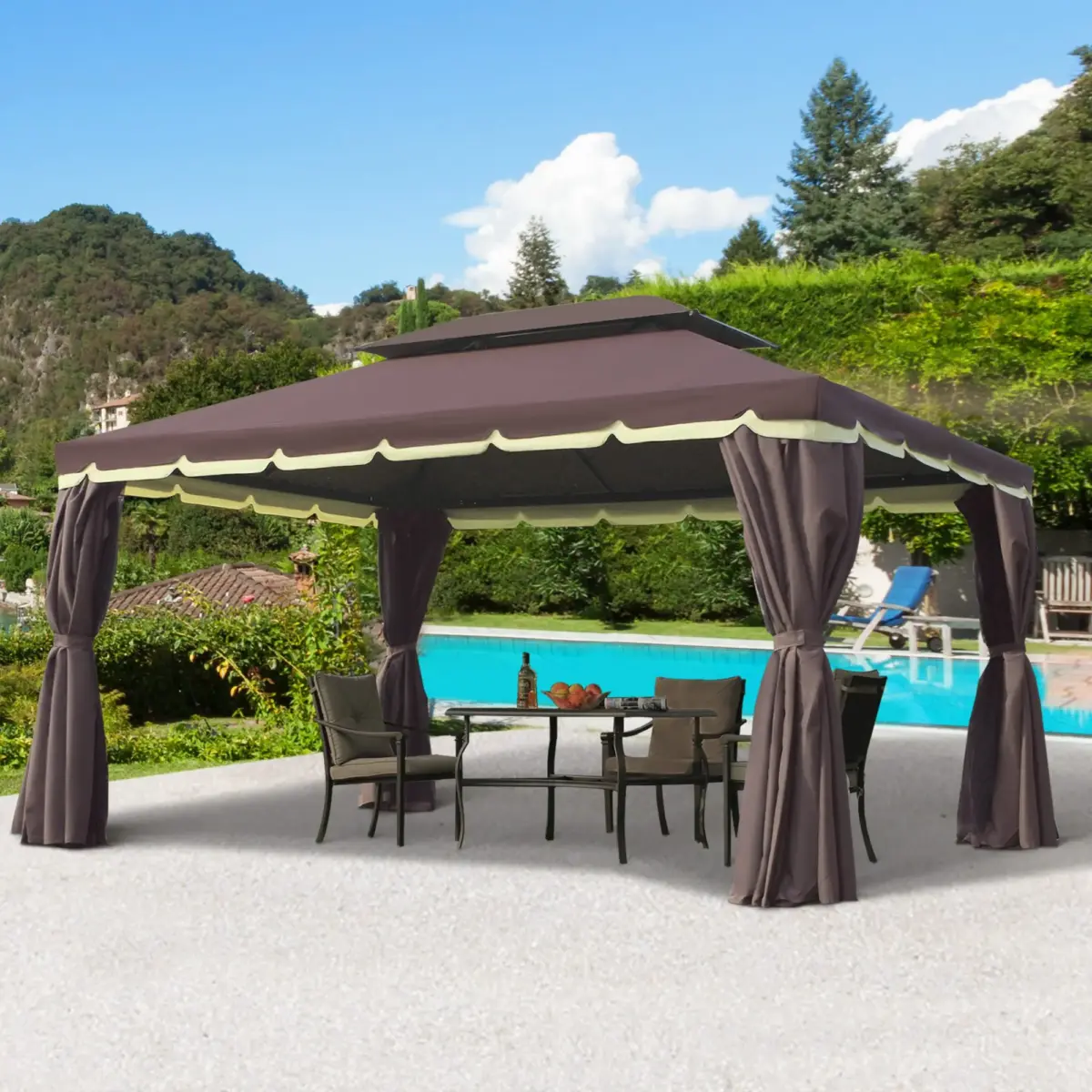
10×13 ft Patio Gazebo – Aluminum Frame, 2-Tier Roof, Netting, Curtains
FREE shipping $659.99Select options This product has multiple variants. The options may be chosen on the product page -
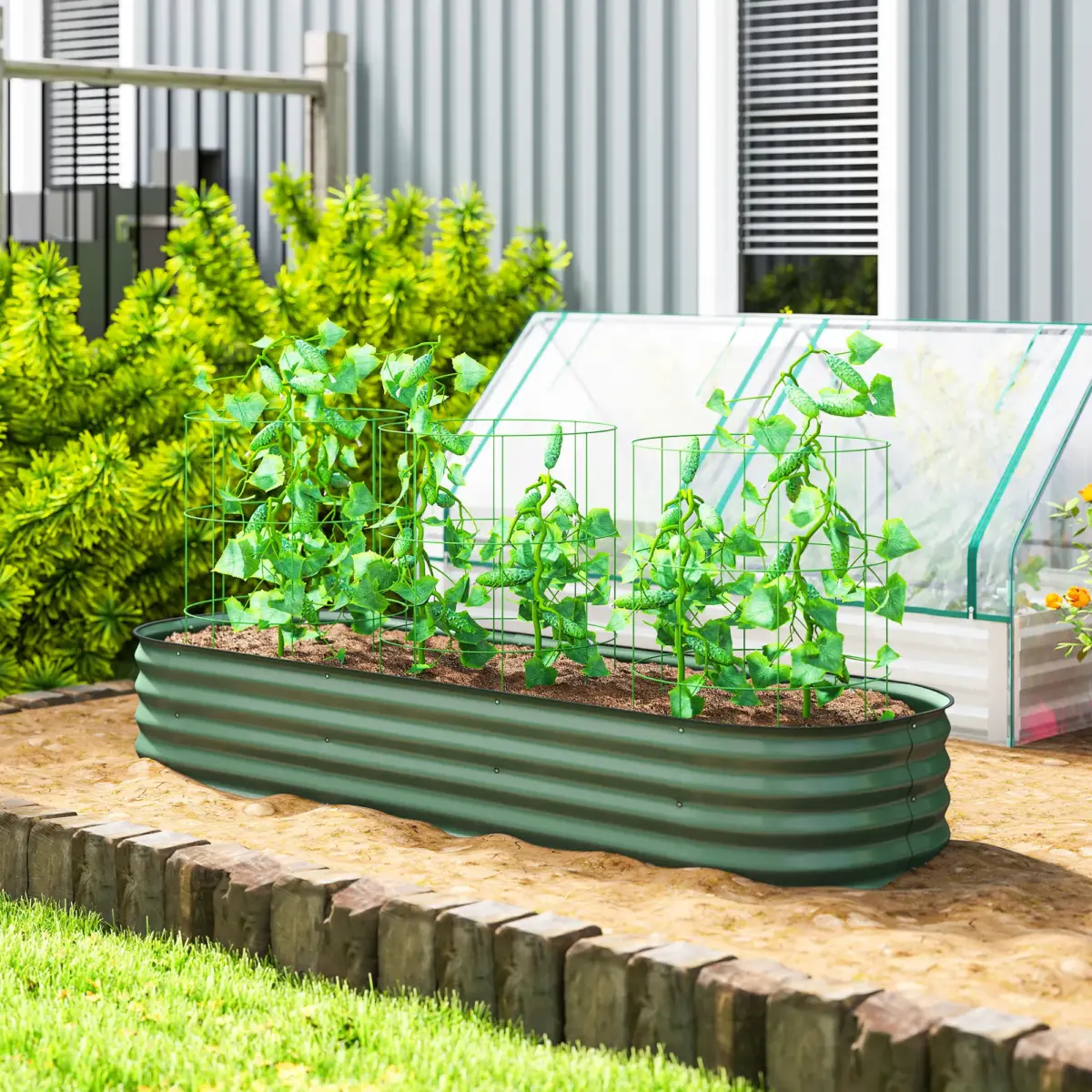
Galvanized Raised Garden Bed 6.4 x 2 x 1 ft – Steel Planter Box
FREE shipping $121.99Select options This product has multiple variants. The options may be chosen on the product page