A dog bed that is too small gets ignored, and one that is far too large can feel exposed to a dog that likes to curl up. The good news is that the right size takes two measurements and a minute of watching how your dog sleeps. This guide walks you through both, with a size chart in inches and pounds.
Step 1: Watch How Your Dog Sleeps
Sleeping style matters as much as body size:
- Curlers sleep tucked into a ball. Round beds and beds with raised rims (often called bolster or donut beds) suit them, and they can usually go with a slightly smaller bed.
- Sprawlers stretch out on their side. They need a rectangular bed long enough for their full length.
- Leaners like to rest their head on something. A bed with one or more raised sides gives them a pillow.
Step 2: Measure Your Dog
- Length: while your dog is lying down and stretched out, measure from the tip of the nose to the base of the tail.
- Add room: add about 6 to 12 inches to that length. Use the smaller figure for curlers and the larger one for sprawlers.
- Width: for a rectangular bed, measure across your dog from shoulder to paw while lying on its side, and add a few inches.
- Weight: check the bed’s listed weight range or capacity, especially for large and senior dogs.
Compare your numbers with the inside sleeping area of the bed, not just the outer size. A thick bolster can take several inches away from the usable space.
Dog Bed Size Chart
Typical sizes used by many retailers. Always confirm with the dimensions listed on the product page, since sizes vary by brand.
| Bed size | Typical bed length | Dog weight | Examples |
|---|---|---|---|
| Extra small | 18 to 22 in | Up to 10 lb | Chihuahua, Yorkshire Terrier |
| Small | 23 to 28 in | 10 to 25 lb | Pug, Dachshund, Shih Tzu |
| Medium | 29 to 36 in | 25 to 50 lb | Beagle, Border Collie, Bulldog |
| Large | 37 to 42 in | 50 to 80 lb | Labrador, Golden Retriever, Boxer |
| Extra large | 43 in and up | 80 lb and up | German Shepherd, Great Dane, Mastiff |
If your dog falls between two sizes, choose the larger bed. A growing puppy will need a bigger bed later, so plan for the adult size if you want one bed to last.
Choosing a Bed Type
Bolster and round beds
Raised edges give a sense of security and a place to rest the head. They are popular with small dogs and dogs that curl up.
Flat mats and cushions
Easy to move, easy to fit into a crate and comfortable for dogs that run warm. Check that a crate mat matches the inside dimensions of the crate.
Memory foam and thick foam beds
A thick, supportive foam base spreads weight evenly, which many owners prefer for older or large dogs. Look at the foam thickness in the listing; a thin layer over loose fill does not offer the same support.
Elevated beds
A fabric panel stretched over a raised frame lets air move underneath, which can help in hot weather and keeps the dog off cold or damp floors.
Practical Details to Check
- Removable, washable cover: makes regular cleaning much easier.
- Non-slip bottom: stops the bed from sliding on wood or tile floors.
- Water-resistant liner: useful for puppies and older dogs.
- Chewing: no bed is fully chew-proof. Supervise heavy chewers with any new bed.
Where to Put the Bed
Most dogs settle best in a quiet spot near the family, away from drafts, heating vents and busy doorways. If you are replacing an old bed, placing the new one in the same place helps your dog accept it. You can browse dog beds by size and type, and check each listing’s dimensions against your measurements.
Frequently asked questions
How do I measure my dog for a bed?
Measure from the tip of the nose to the base of the tail while your dog lies stretched out, then add about 6 to 12 inches. Use the smaller figure for dogs that curl up and the larger one for dogs that sprawl.
What size bed does a 50 lb dog need?
A dog around 50 pounds usually fits a medium to large bed, roughly 36 to 42 inches long. Check your dog's measured length and the bed's listed inside dimensions.
Should I size up if my dog is between sizes?
Yes. Choose the larger bed, especially for dogs that like to stretch out or for puppies that are still growing.
Last updated November 13, 2026. Spot an error? Tell us.
Shop the categories in this guide

Shop Dog Beds
-
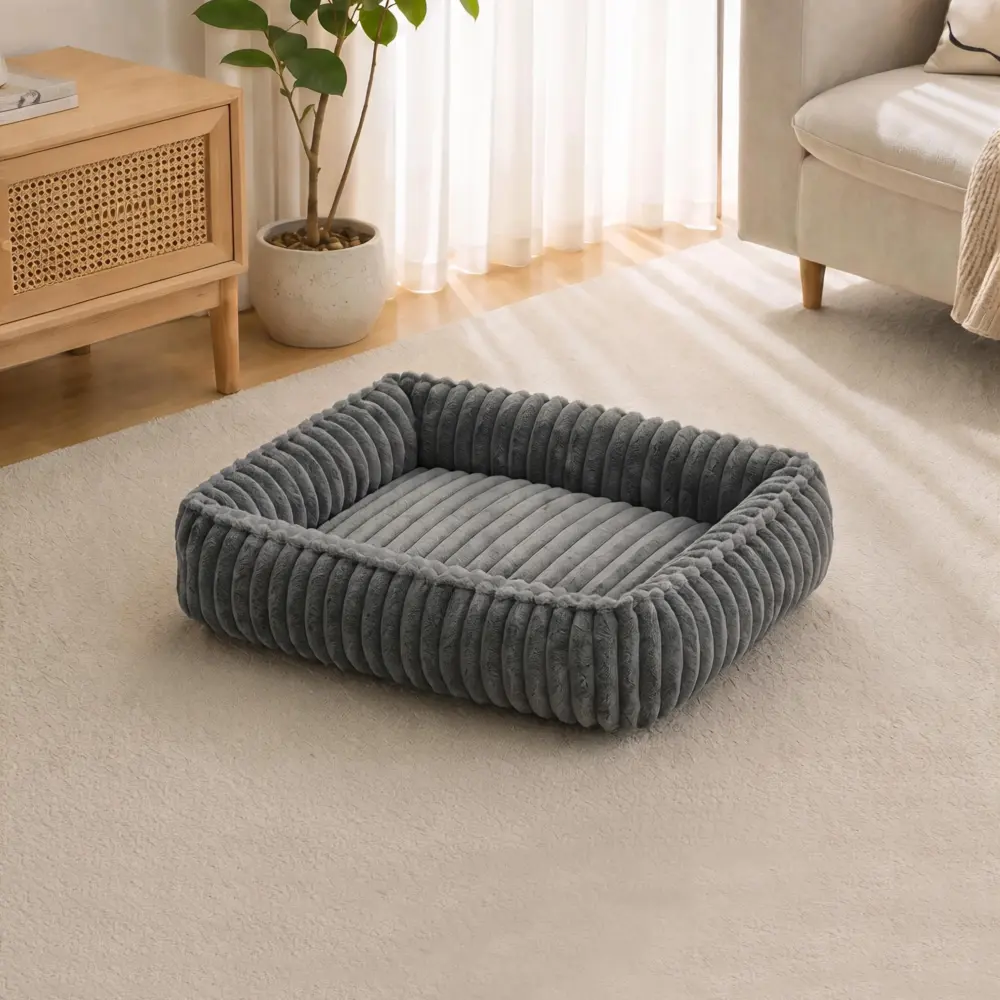
Soft Striped Dog Bed for Small and Medium Dogs – Raised Bolster
FREE shipping Price range: $62.99 through $80.99Select options This product has multiple variants. The options may be chosen on the product page -
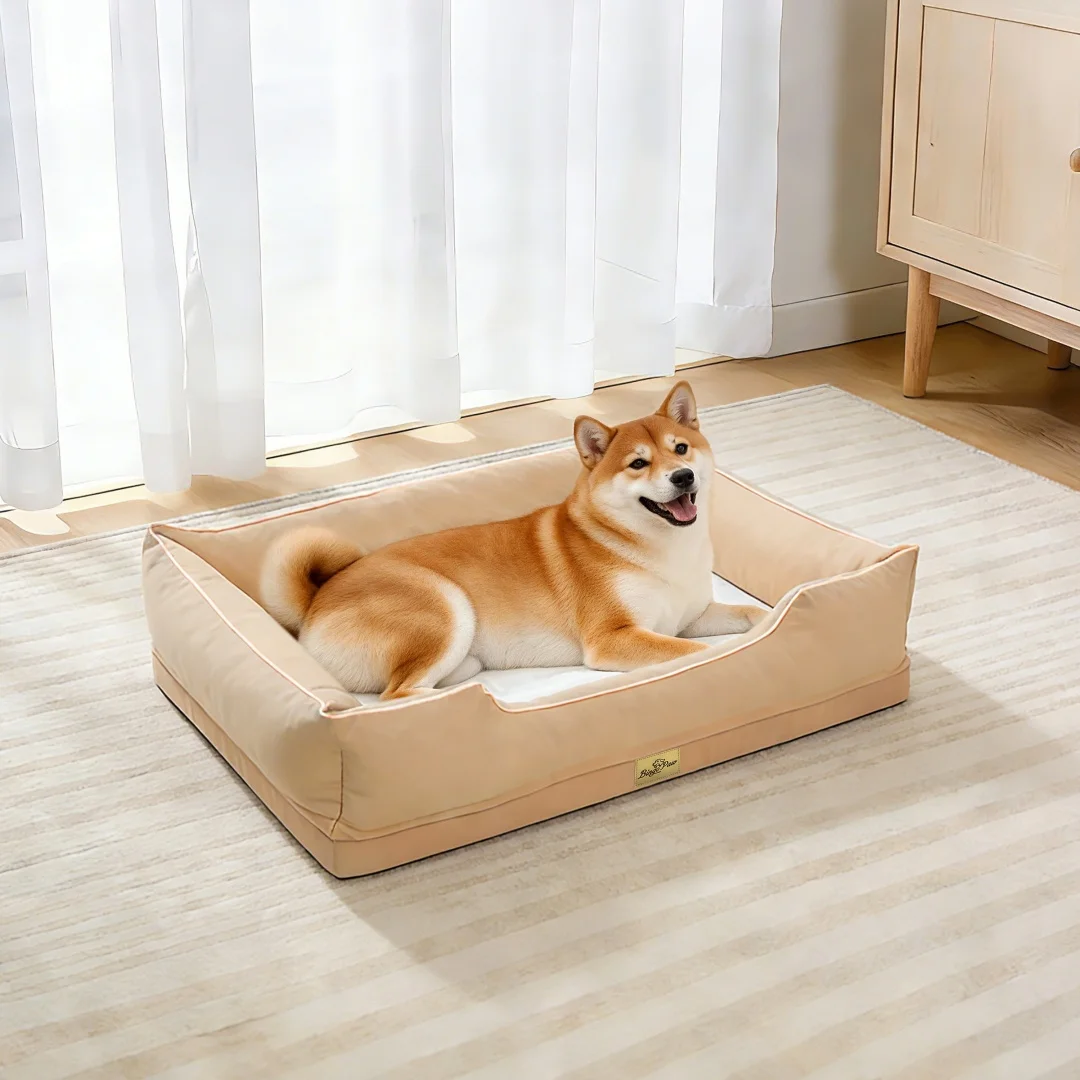
Sofa Dog Bed with Raised Bolsters – Washable Cover, Waterproof Base
FREE shipping Price range: $70.99 through $186.99Select options This product has multiple variants. The options may be chosen on the product page -
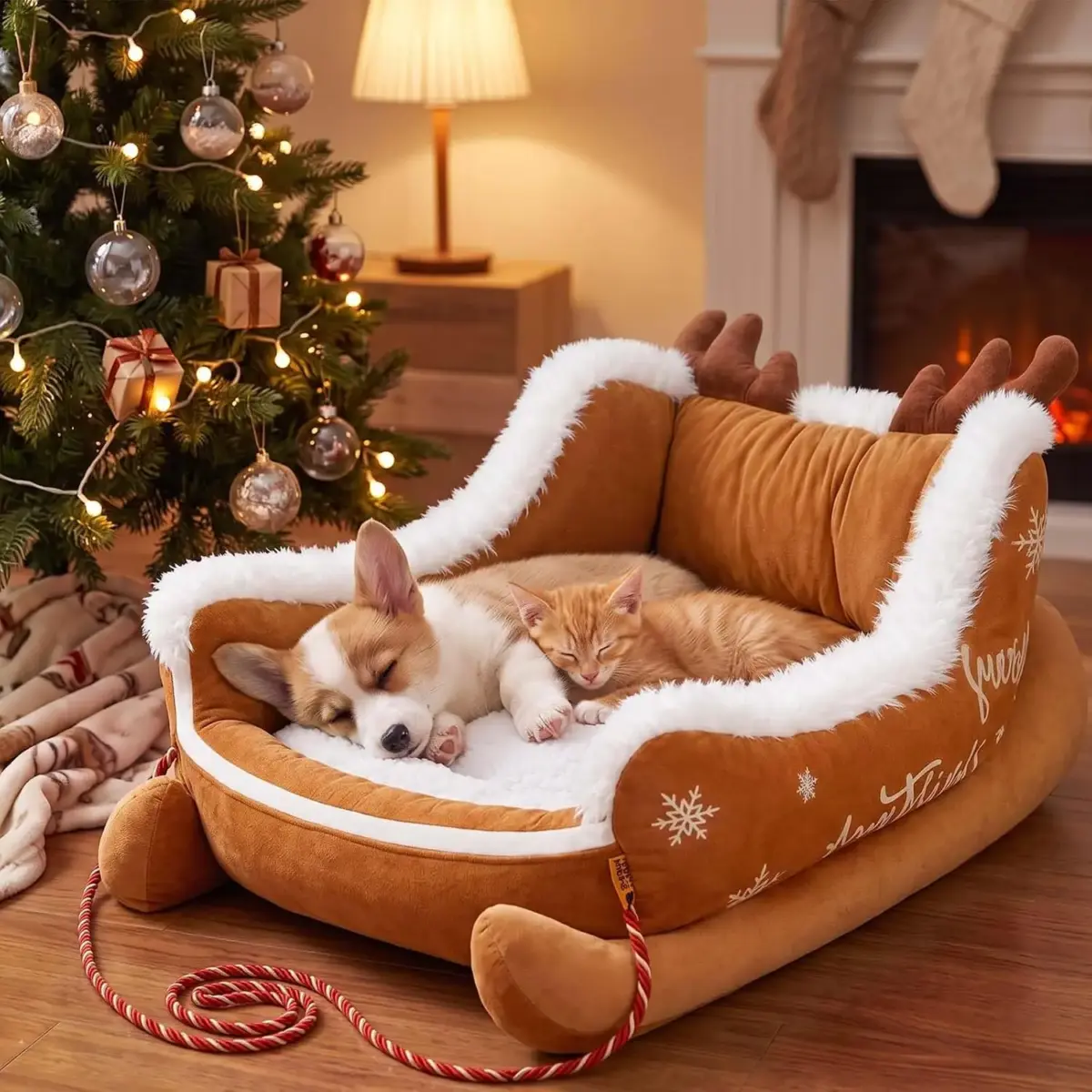
Christmas Dog Bed Sleigh with Raised Sides, Santa Theme, Large
FREE shipping $115.99Select options This product has multiple variants. The options may be chosen on the product page -
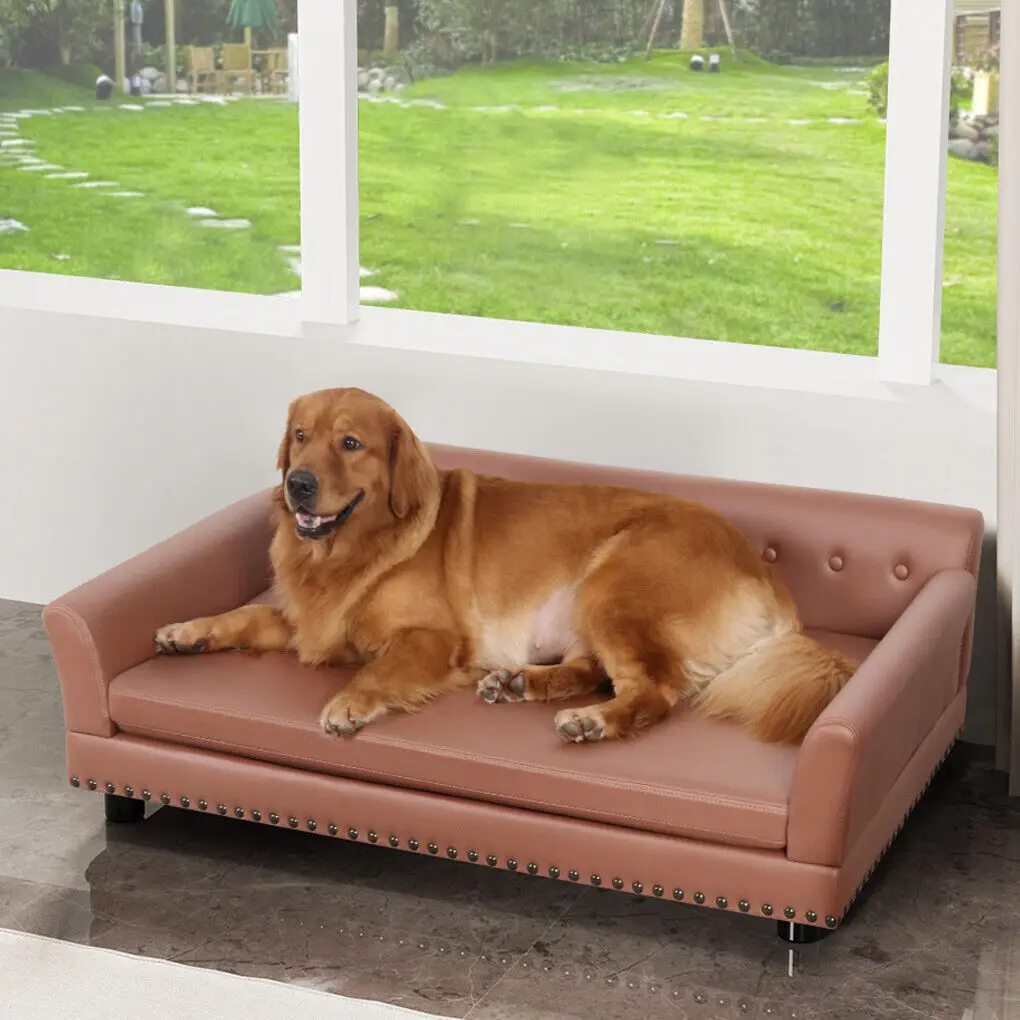
Pet Sofa Bed for Cats and Small Dogs – Removable Cushion, Elevated
FREE shipping $499.99Select options This product has multiple variants. The options may be chosen on the product page -
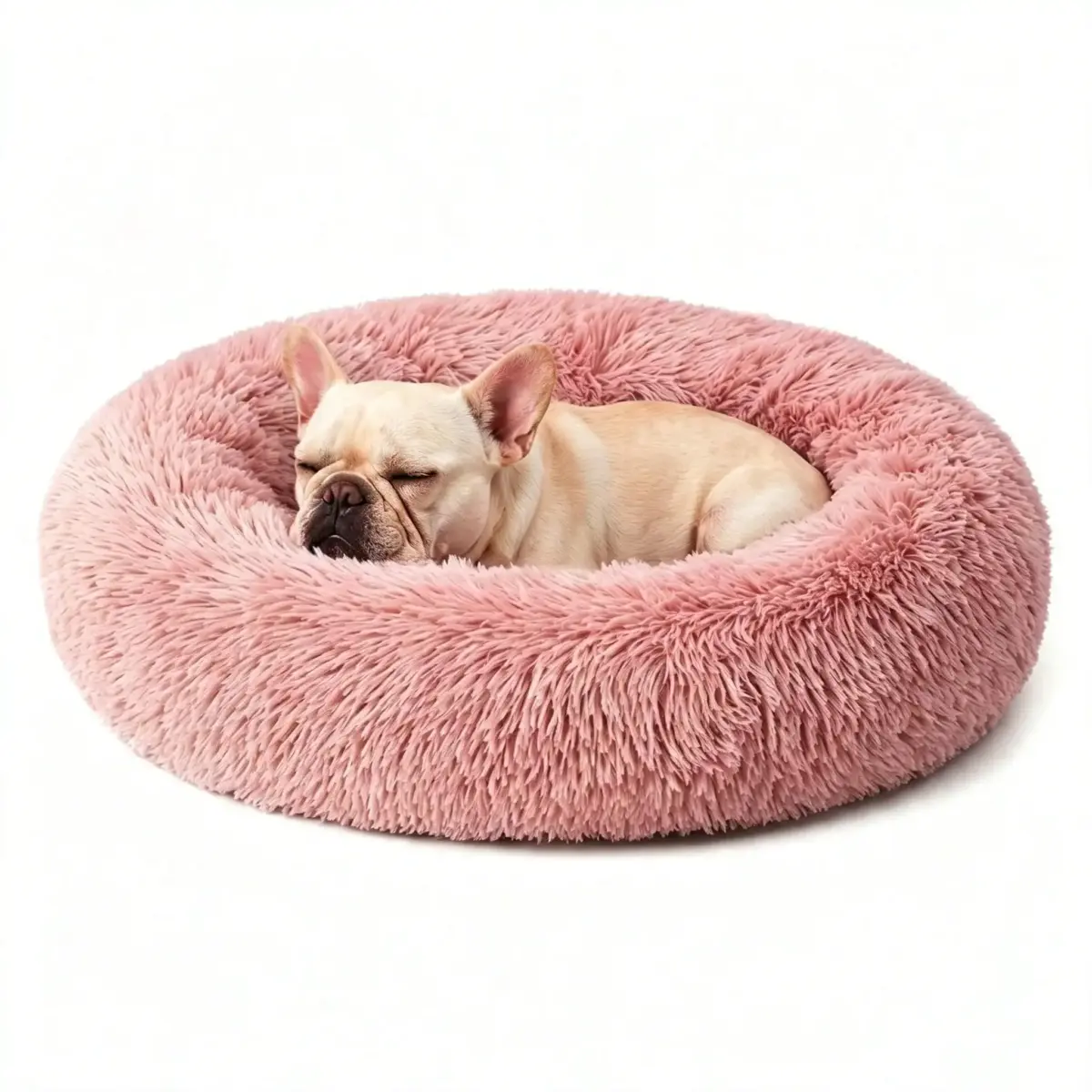
Pink Plush Donut Pet Bed for Small and Medium Dogs and Cats – Non-Slip
FREE shipping Price range: $29.99 through $30.99Select options This product has multiple variants. The options may be chosen on the product page -
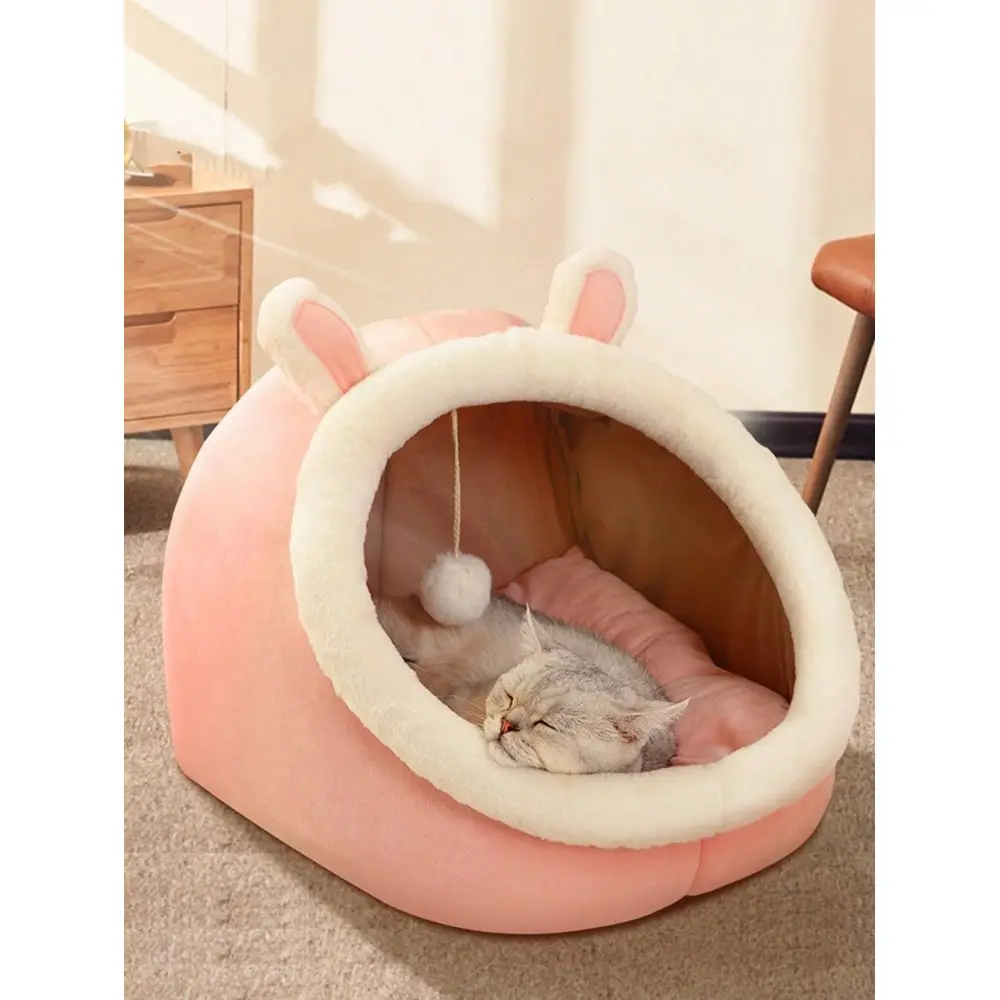
Plush Pet Bed with Cartoon Ears for Dogs and Cats – Pink, 3 Sizes
FREE shipping Price range: $62.99 through $170.99Select options This product has multiple variants. The options may be chosen on the product page -
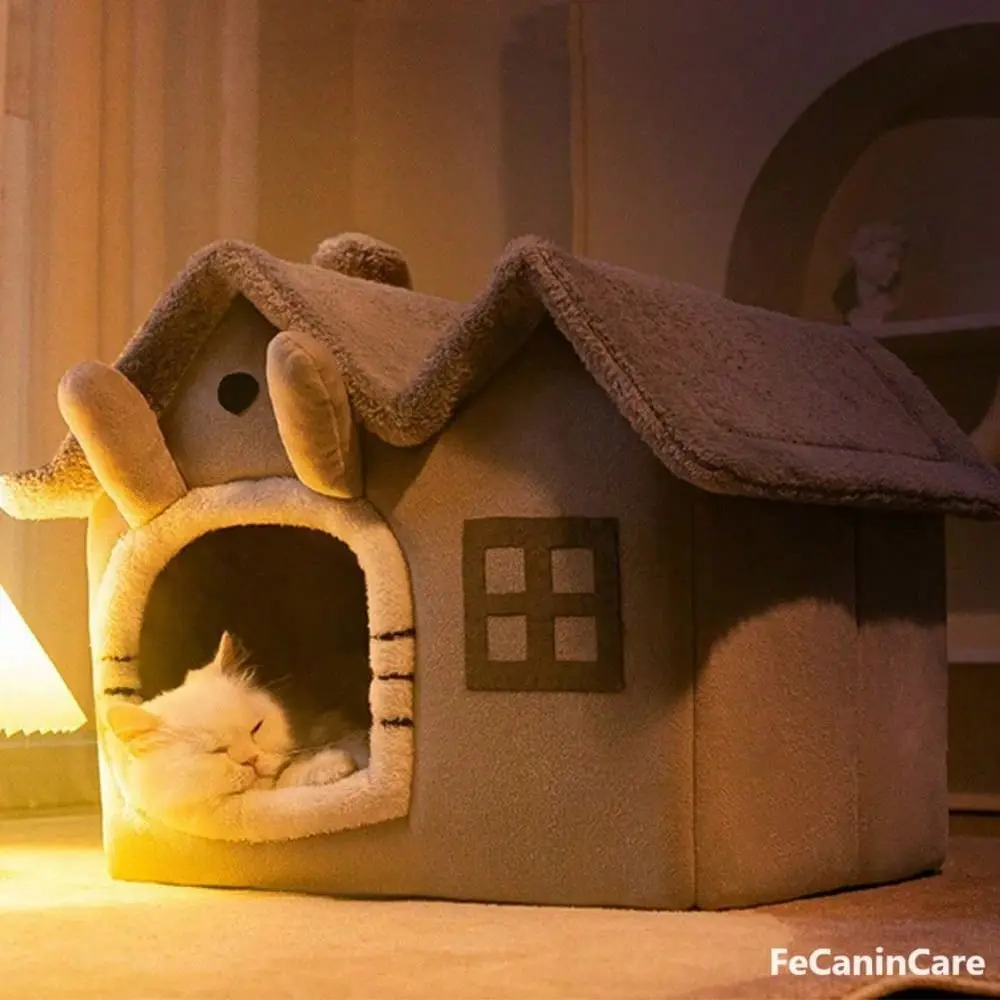
Double Roof Indoor Pet House Bed for Dogs and Cats – Removable Cover
FREE shipping Price range: $145.99 through $159.99Select options This product has multiple variants. The options may be chosen on the product page -
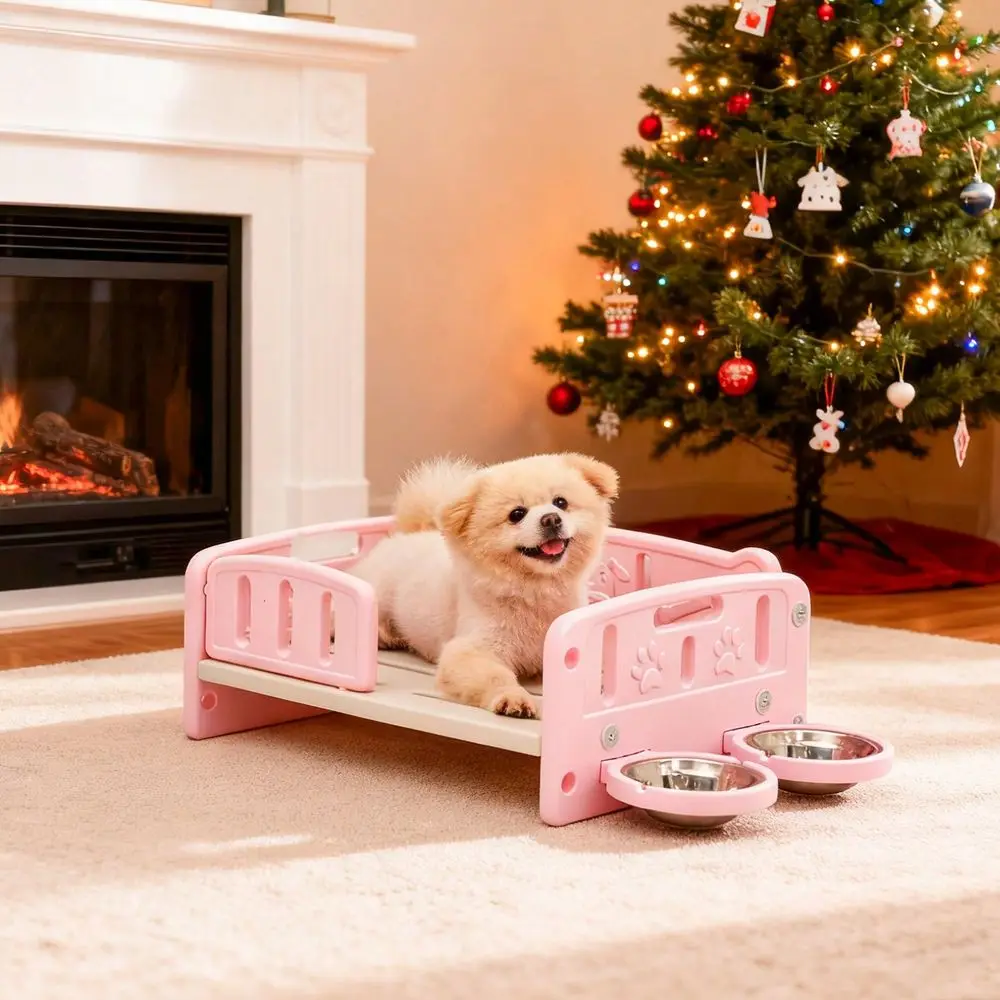
Raised Pet Bed and Sofa Set with Two Bowls for Cats, Dogs and Rabbits
FREE shipping Price range: $191.99 through $252.99Select options This product has multiple variants. The options may be chosen on the product page