Use this rug size guide to pick the right dimensions before you buy, because a rug that is too small is the most common mistake in rug shopping. A rug that is too small makes furniture look scattered, while the right size ties a room together. Below you will find standard US rug sizes, simple placement rules, and what size to choose for each room.
Rug size calculator
An estimate from the rules in this guide. Measure your space before you buy.
Standard US Rug Sizes at a Glance
Most area rugs in the United States are sold in a handful of sizes, listed in feet. Knowing them makes every other decision easier.
- Small accent rugs: 2 x 3 ft, 3 x 5 ft and 4 x 6 ft, used at doors, sinks and reading corners.
- Mid-size rugs: 5 x 8 ft and 6 x 9 ft, a fit for small living rooms, bedrooms and dining nooks.
- Large rugs: 8 x 10 ft and 9 x 12 ft, the usual choices for living rooms, dining rooms and king beds.
- Extra-large rugs: 10 x 14 ft and up, for great rooms and long dining tables.
- Runners: typically 2 x 6 ft, 2 x 8 ft or 2.5 x 10 ft.
- Round rugs: usually 4 to 8 ft across.
Three Rules That Apply to Every Room
Before looking at individual rooms, keep these basics in mind. They hold up whether you are shopping for a 5 x 8 or a 10 x 14.
- Measure the space first. Mark the rug outline on the floor with painter’s tape so you can see how it sits against furniture and walls.
- Leave bare floor around the edges. Many guides suggest about 12 to 18 inches (30 to 46 cm) between the rug and the walls. In a small room you can reduce that gap to roughly 8 inches.
- When you are between two sizes, go larger. A bigger rug usually makes a room feel more open, as long as you keep that border of floor.
Rug Size Chart by Room
| Room | Common rug size | Placement tip |
|---|---|---|
| Small living room | 5 x 8 ft or 6 x 9 ft | Front legs of the sofa on the rug |
| Average living room | 8 x 10 ft | Front legs of sofa and chairs on the rug |
| Large living room | 9 x 12 ft | All furniture legs on the rug |
| Dining room, 4 to 6 seats | 8 x 10 ft | At least 24 in past the table on every side |
| Dining room, 8 seats | 9 x 12 ft or larger | Chairs stay on the rug when pulled out |
| Twin or full bed | 5 x 7 ft or 6 x 9 ft | Under the lower two-thirds of the bed |
| Queen bed | 8 x 10 ft | About 18 in of rug beyond the sides |
| King bed | 9 x 12 ft | About 18 in of rug beyond the sides |
| Hallway | 2 x 8 ft to 2.5 x 10 ft runner | 6 to 12 in of floor at each end |
| Entryway | 2 x 3 ft, 3 x 5 ft or 4 x 6 ft | At least as wide as the door |
| Kitchen | 2 x 3 ft rug or 2 x 6 ft to 2.5 x 10 ft runner | Match the runner to the counter length |
What Size Rug for a Living Room
If you are asking what size rug for living room seating, the answer depends on how much of the furniture you want on it. There are two common layouts, and both look intentional.
Front legs on the rug
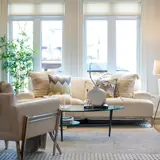
This is the most popular approach. The front legs of the sofa and chairs rest on the rug while the back legs stay on the floor. An 8 x 10 ft rug usually works for an average room. It connects the seating area without pushing the rug against the walls.
All legs on the rug
In a larger or open-plan room, a 9 x 12 ft rug or bigger lets every piece sit fully on it. Leave several inches of rug past the furniture on all sides so nothing looks perched on the edge.
Coffee table only
A 5 x 8 ft or 6 x 9 ft rug can sit under the coffee table and nothing else. This suits compact rooms, but the rug should still be wide enough to feel like part of the layout. If you are also updating the seating, browse our living room furniture and measure it before you pick a rug.
For a patterned look that suits a mid-size or large layout, a Persian-style, boho or southwestern geometric pattern gives you plenty of choice in color and style. Check the listed dimensions before you buy.
Dining Room Rug Size
For dining room rug size, the main rule is simple: the rug should extend at least 24 inches (61 cm) past the table on every side. That way the chairs stay on the rug even when someone pulls them out to sit down.
To work out your number, add 48 inches to the table length and width. A table that is 40 x 72 inches then calls for a rug around 88 x 120 inches, which is close to an 8 x 10 ft rug, so you may want to step up to a 9 x 12 ft. Here are typical matches:
- Round table seating four, about 42 to 48 inches across: an 8 ft round rug, or a square rug of similar size.
- Rectangular table seating four to six: 8 x 10 ft.
- Rectangular table seating six to eight: 9 x 12 ft.
- Larger tables seating eight to ten: 10 x 14 ft.
Keep in mind that tables with extension leaves need a rug sized for the extended length. Also, flat or low-pile rugs let chairs slide more easily than thick shag. Our home decor section is a good place to look for rugs and other room finishers.
Rug Size for a Queen Bed (and Every Other Bed Size)
Choosing a rug size for queen bed placement is easier once you decide how much of the rug goes under the bed. You have three options:
- Fully under the bed: the rug extends beyond the bed and nightstands.
- Under the lower two-thirds: the most common choice. The rug starts below the nightstands and runs toward the foot of the bed.
- Two runners: one on each side of the bed, which suits smaller rooms.
Rug sizes by bed size
| Bed size | Rug size | Notes |
|---|---|---|
| Twin | 5 x 7 ft or 6 x 9 ft | Two twin beds in one room suit a 9 x 12 ft rug |
| Full | 6 x 9 ft | Or two runners flanking the bed |
| Queen | 8 x 10 ft | Some guides use a 6 x 9 ft to anchor the lower part of the bed |
| King | 9 x 12 ft | Centered, with rug showing on both sides and at the foot |
For a queen, an 8 x 10 ft rug is the usual pick, with roughly 18 inches of rug beyond each side of the bed. Measure the frame, not just the mattress, since frames add a few inches. Beds with a footboard or bench need extra length so the rug does not disappear under them. When you are updating the room, our bedroom furniture collection has frames and storage to pair with your rug.
Runner Rug Size for Hallways, Entryways and Kitchens
A runner rug size is defined by two numbers: width and length. Standard runners are 2 ft wide and 6, 8 or 10 ft long, with 2.5 x 10 ft also common.
Hallway runners
Leave about 6 to 12 inches of bare floor at each end and a few inches on each side. Another rule of thumb is to cover roughly three-quarters of the corridor length. Measure the hallway first, then subtract the end gaps to find the right length. Runners are usually sold in several lengths, so you can pick one that matches your hallway.
Entryways
Choose a rug at least as wide as the door. A small foyer works with a 2 x 3 ft or 3 x 5 ft rug, while a medium entry can take a 4 x 6 ft. In a long, narrow entry, a runner with floor showing at each end looks tidy.
Kitchen runners
In front of the sink, a 2 x 3 ft or 2 x 6 ft rug is typical. Along a galley kitchen, a 2 x 8 ft or 2.5 x 10 ft runner down the center fits well. Leave several inches of floor at each end so the rug does not run into the cabinets. Compare the runner length against your counter before you order.
Common Rug Sizing Mistakes
- Buying too small. A rug that floats in the middle of the room makes the furniture look disconnected.
- Ignoring door swing. Check that doors and drawers clear the rug before you commit.
- Skipping a pad. A rug pad the same size as the rug helps keep it in place and adds some cushioning.
- Forgetting the walls. Without a border of floor, even a good size can look crowded.
If you like a bolder look, a bold multicolor or striped rug can anchor a room, which is why getting the size right the first time matters. Orders from irfal.com ship free from US warehouses.
Quick Checklist
- Measure the room and tape out the rug outline on the floor.
- Leave about 12 to 18 inches of bare floor from the walls.
- Living room: at least the front legs of sofa and chairs on the rug.
- Dining room: rug extends 24 inches or more past the table on all sides.
- Bedroom: 8 x 10 ft for a queen, 9 x 12 ft for a king, 6 x 9 ft for a full.
- Runners: leave 6 to 12 inches of floor at each end.
- Between two sizes, choose the larger one.
Frequently asked questions
What size rug do I need for a living room?
An 8 x 10 ft rug fits most average living rooms, with at least the front legs of the sofa and chairs on it. Choose 9 x 12 ft for a large room if you want every leg on the rug, or 5 x 8 ft to 6 x 9 ft for a small one.
What size rug goes under a queen bed?
An 8 x 10 ft rug is the usual choice for a queen bed and leaves roughly 18 inches of rug beyond each side. A 6 x 9 ft rug can also work if you place it under the lower two-thirds of the bed.
How far should a rug extend past a dining table?
At least 24 inches on every side. This keeps the chairs on the rug when they are pulled out. For a 40 x 72 inch table, that works out to a rug of about 88 x 120 inches or larger.
What size runner rug fits a hallway?
Standard hallway runners are 2 ft wide and 6, 8 or 10 ft long. Choose a length that leaves about 6 to 12 inches of bare floor at each end.
How much floor should show around an area rug?
Many guides suggest about 12 to 18 inches between the rug and the walls. In a small room you can reduce this to around 8 inches.
Last updated October 22, 2026. Figures come from the published sources below. Spot an error? Tell us.
Sources
Shop the categories in this guide



Shop Rugs
-
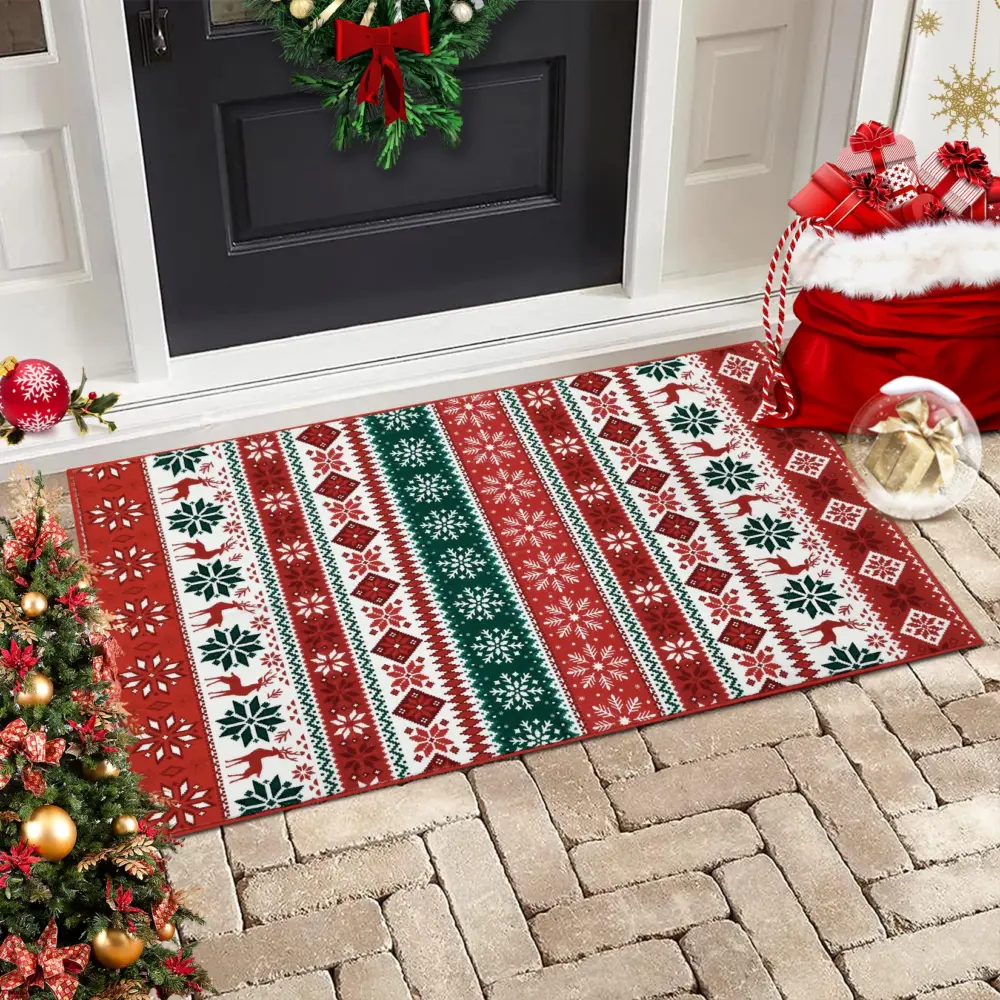
Christmas Deer Print Washable Area Rug – Soft Velvet, Non-Slip Backing
FREE shipping Price range: $42.99 through $87.99Select options This product has multiple variants. The options may be chosen on the product page -
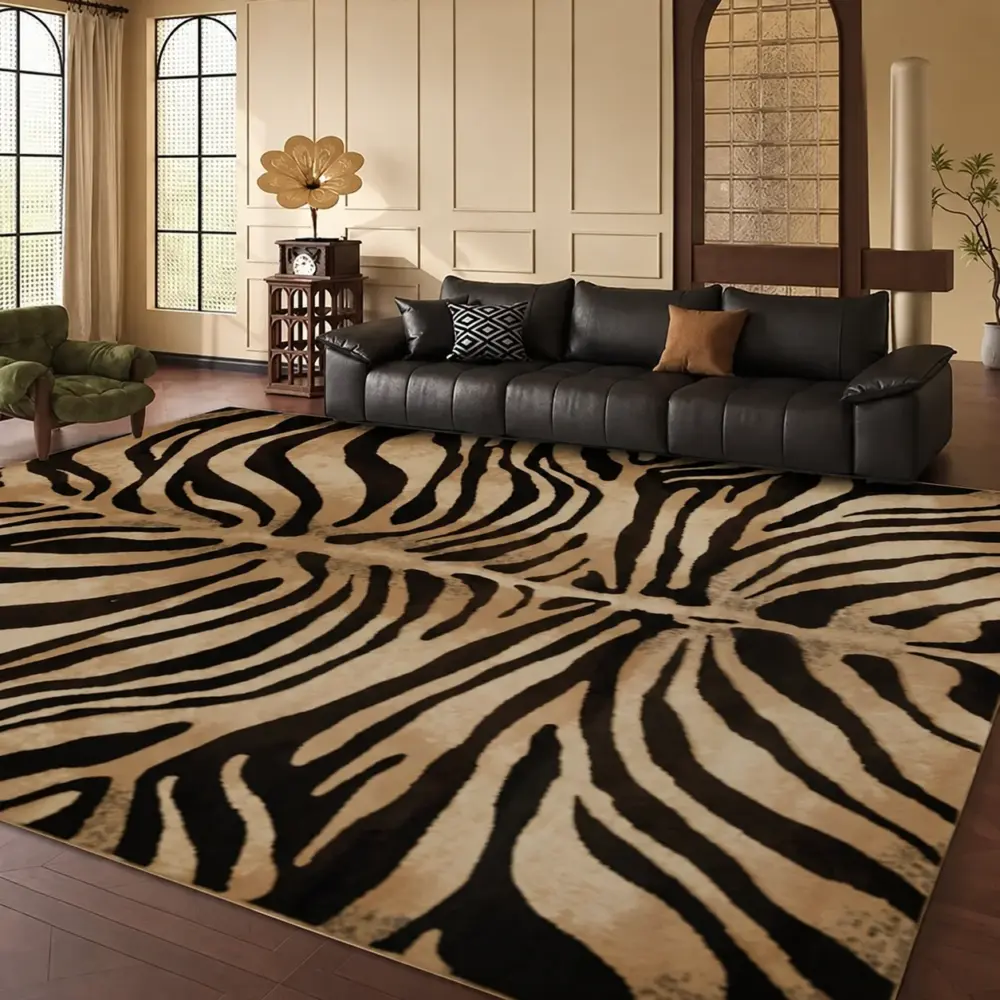
Zebra Stripe Area Rug – Machine Washable Polyester, 9 Sizes
FREE shipping Price range: $31.99 through $305.99Select options This product has multiple variants. The options may be chosen on the product page -
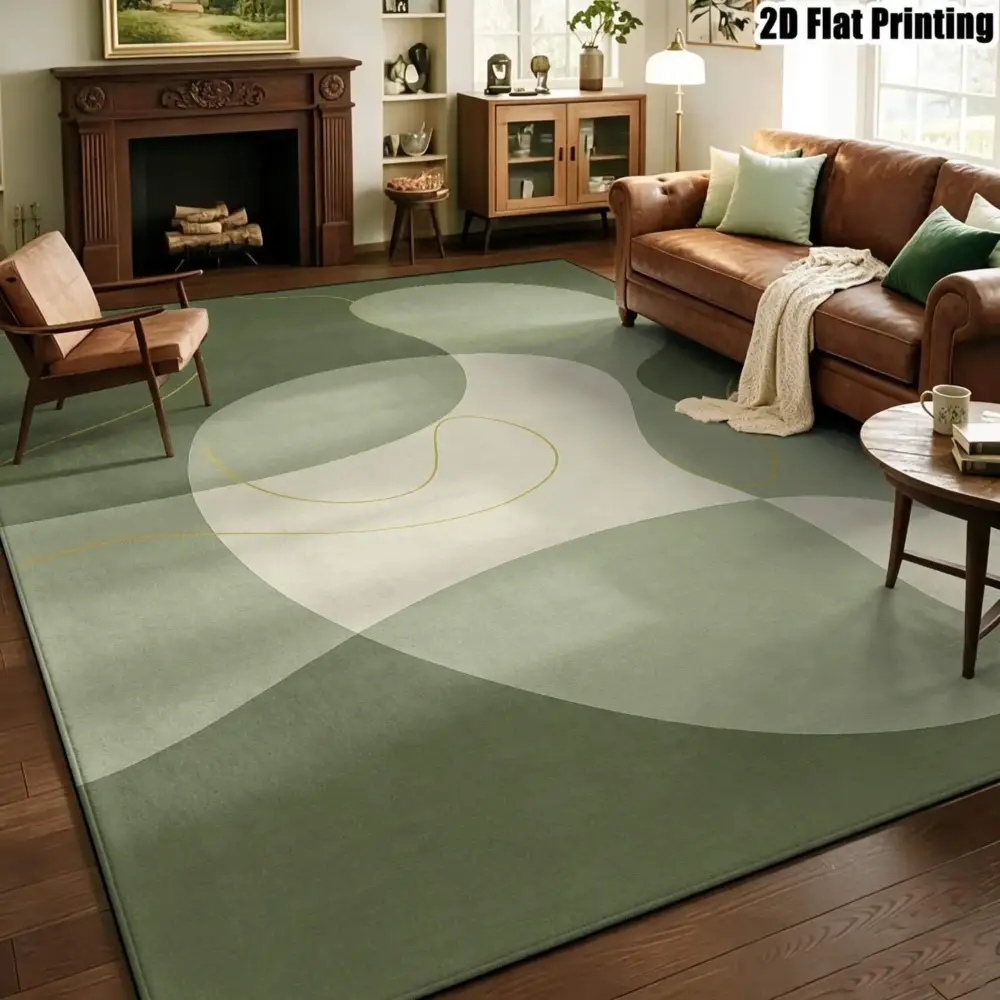
Olive Green Abstract Geometric Area Rug, Washable, Non-Slip
FREE shipping Price range: $42.99 through $171.99Select options This product has multiple variants. The options may be chosen on the product page -
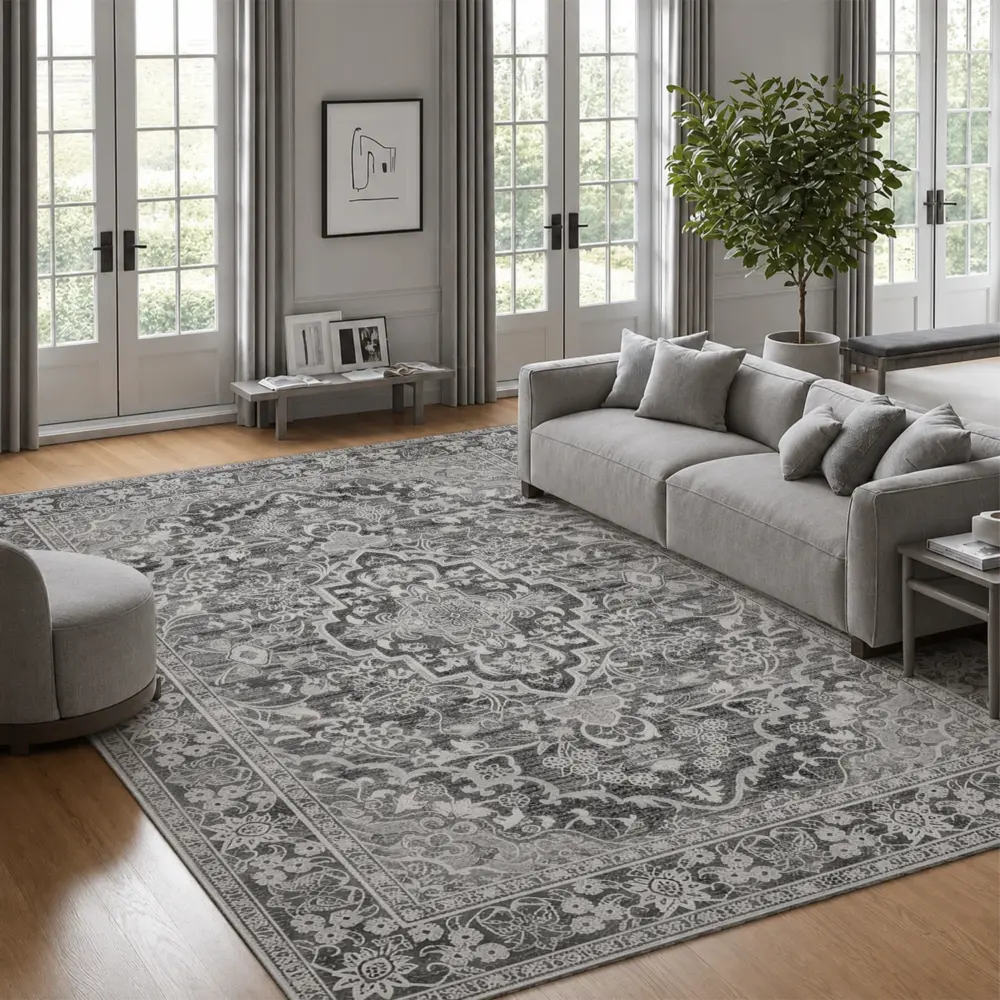
Vintage Persian Style Area Rug – Soft Velvet Low Pile, Washable
FREE shipping Price range: $38.99 through $159.99Select options This product has multiple variants. The options may be chosen on the product page -
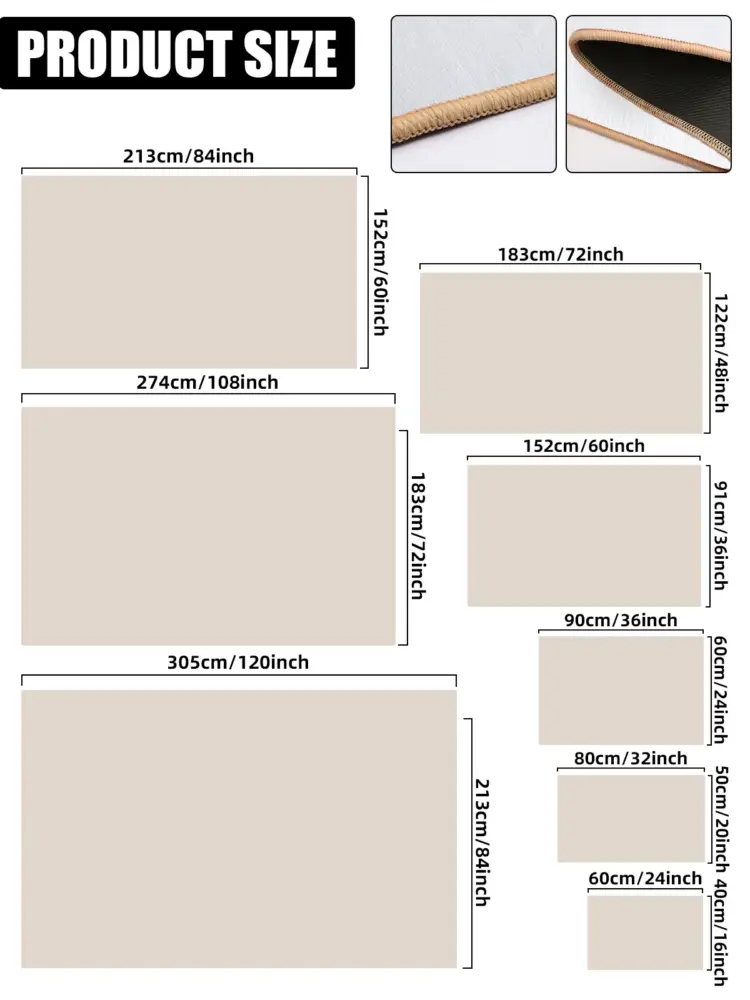
Christmas Patchwork Flannel Area Rug, Snowman and Elk Plaid
FREE shipping Price range: $38.99 through $305.99Select options This product has multiple variants. The options may be chosen on the product page -
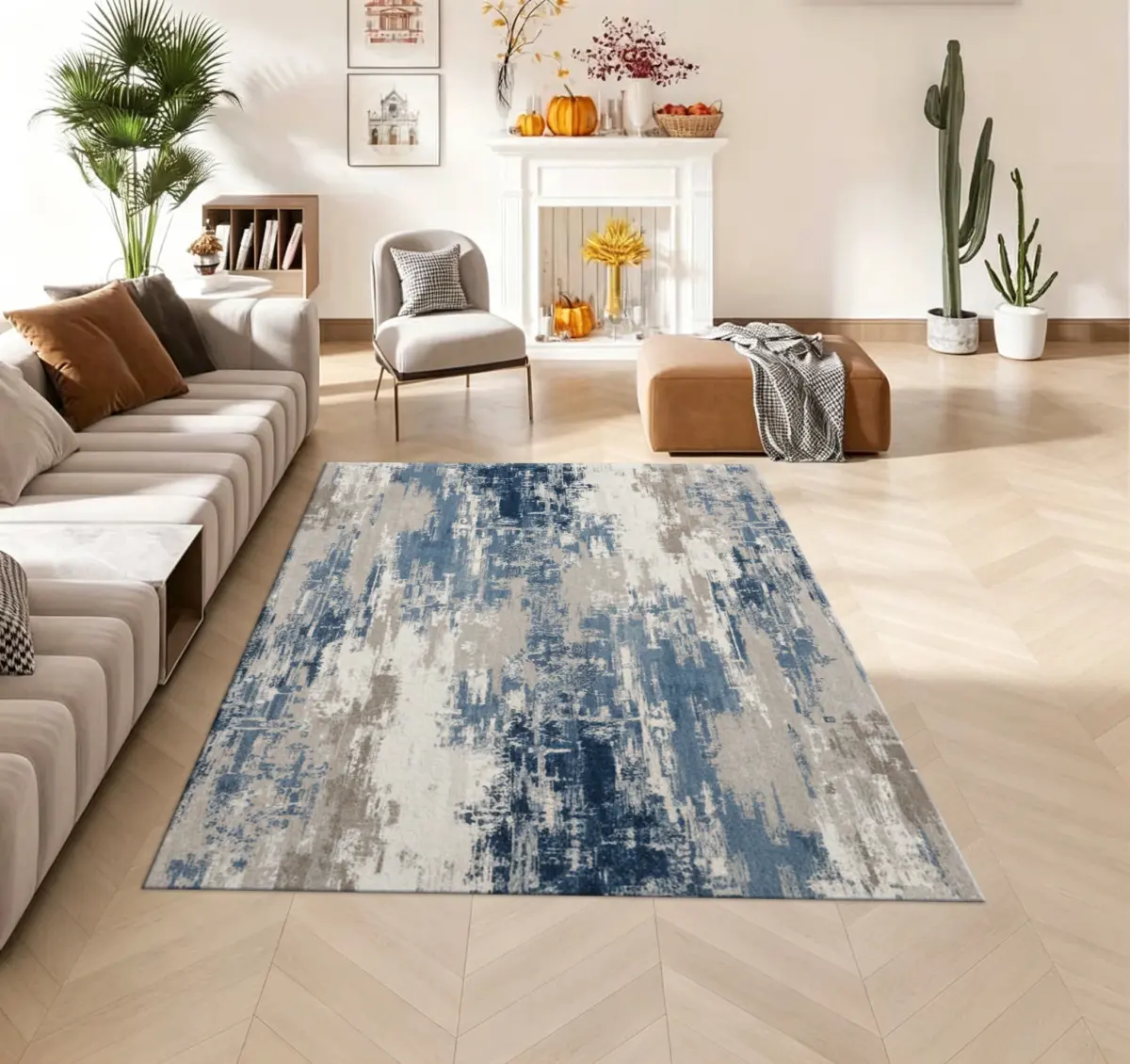
Abstract Art Area Rug for Living Room – Wear-Resistant, 5 Sizes
FREE shipping Price range: $48.99 through $176.99Select options This product has multiple variants. The options may be chosen on the product page -
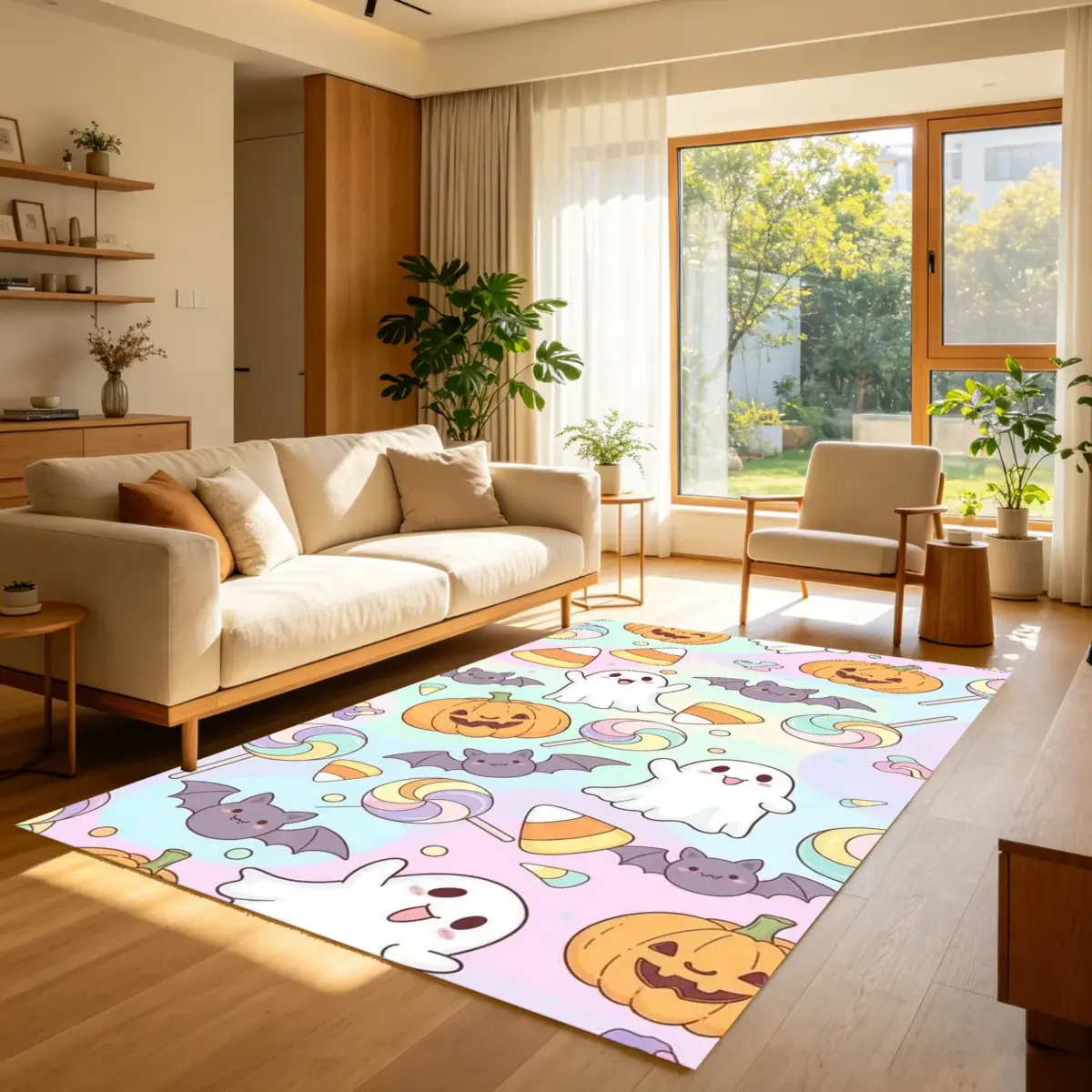
Pumpkin and Sunflower Print Area Rug – 5 Sizes, Rubber Backing
FREE shipping Price range: $41.99 through $170.99Select options This product has multiple variants. The options may be chosen on the product page -
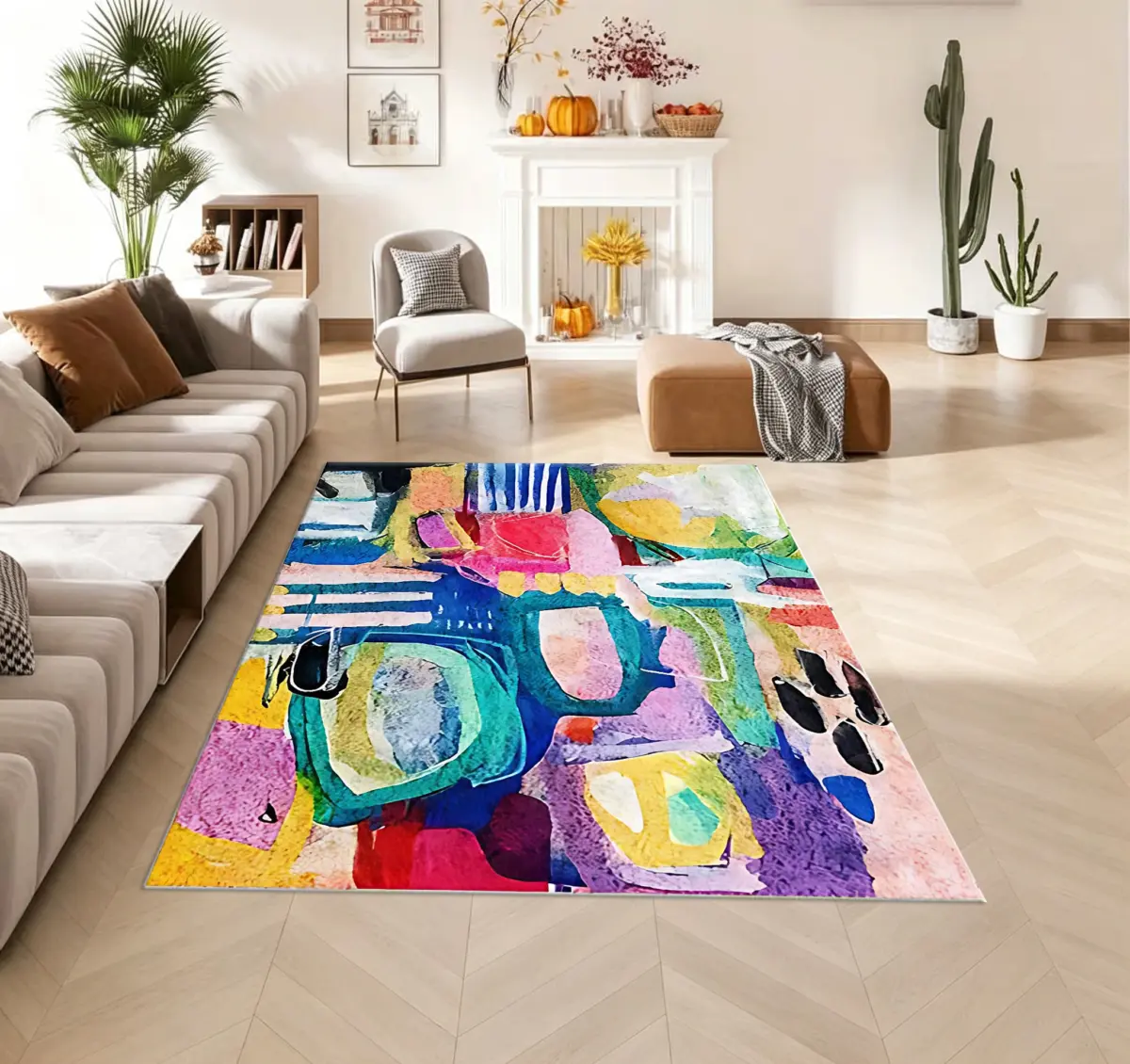
Abstract Graffiti Art Area Rug – Colorful Floor Mat, 5 Sizes
FREE shipping Price range: $48.99 through $176.99Select options This product has multiple variants. The options may be chosen on the product page